2026

New Theatre: Stage Kiss

By Lola Carlton

Here’s to Acting With You, Kid 

What is it about art that makes romance so intoxicating? Acting, for many, isn’t just an art form. It’s an aphrodisiac. Can you possibly leave a good romance on stage? Or does it come home with you, no matter how much you try to compartmentalize? 

More than that, even if you do bring it home with you, will it ever truly be the same? 

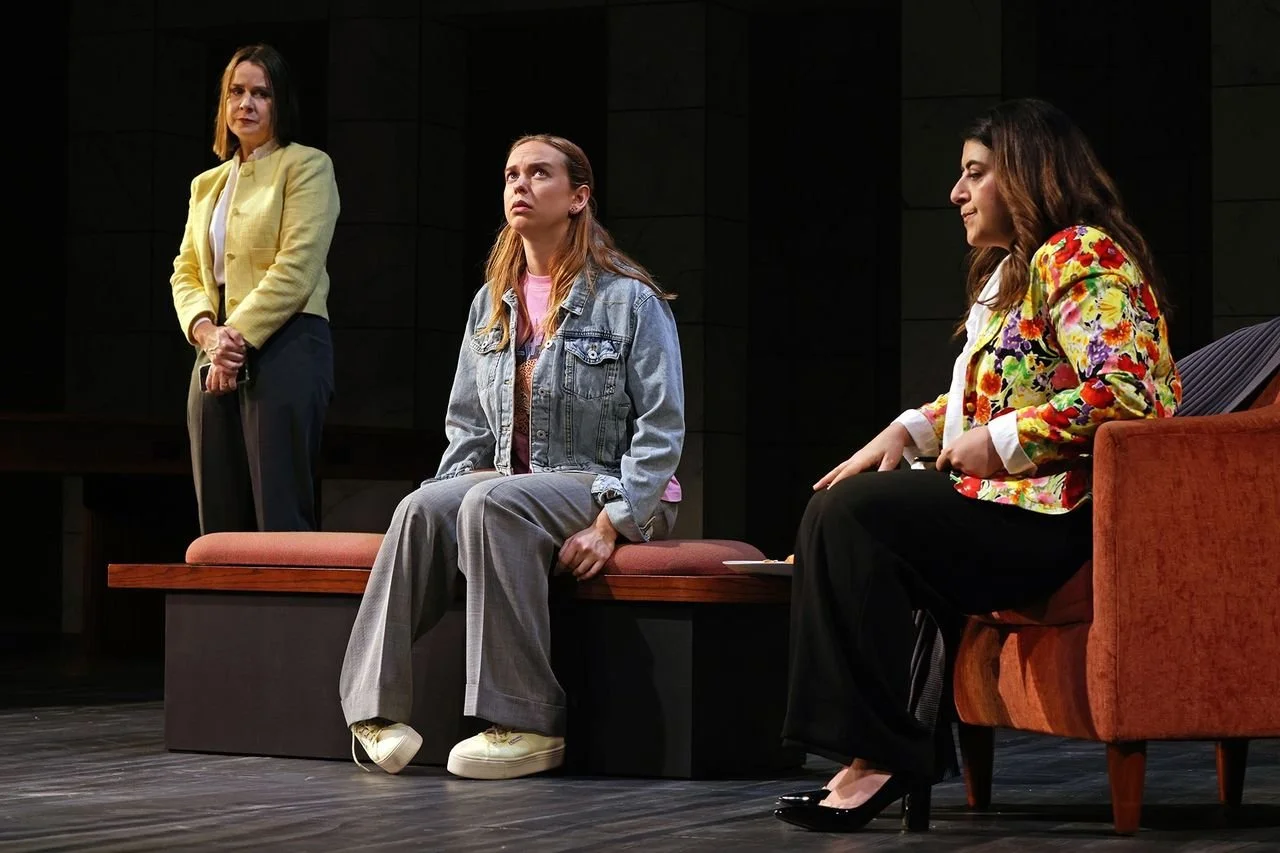
These are the sultry questions asked by Alice Livingstone’s Stage Kiss, a two and a half hour exploration of what it means when art and passion collide. If nothing else, leaving you with the sticky-sweet impossibly complex questions of who exactly artists become once they’re out of the spotlight. 

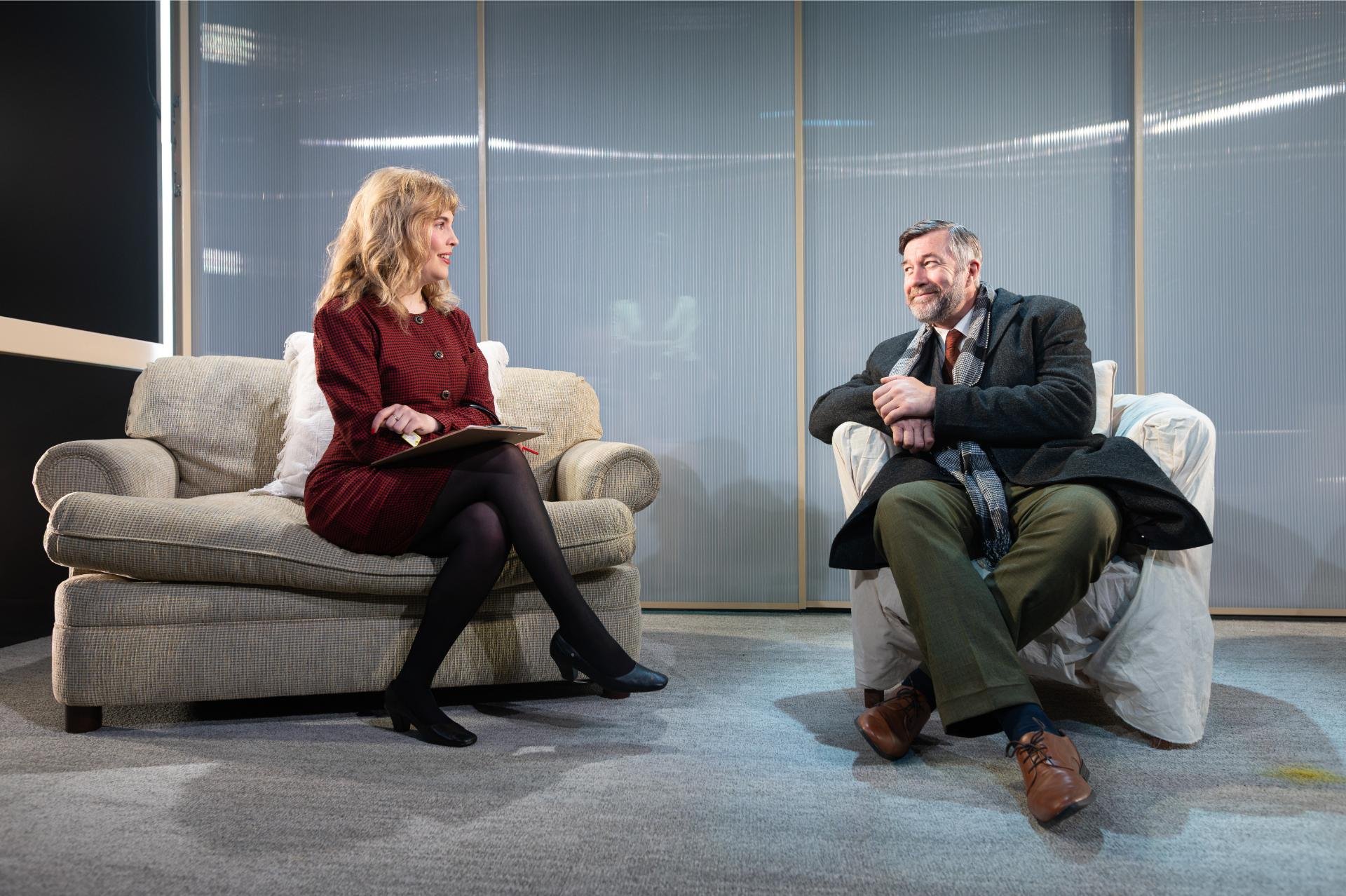
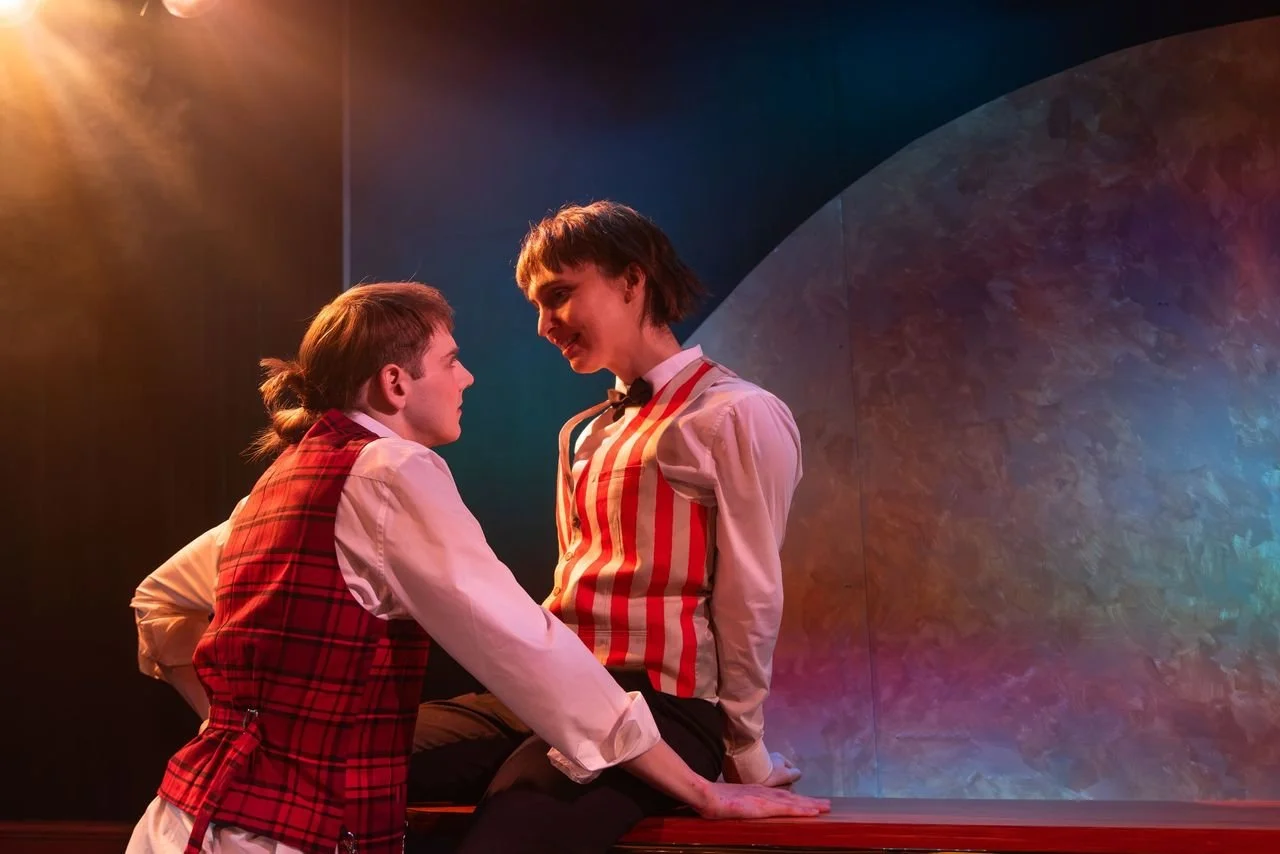
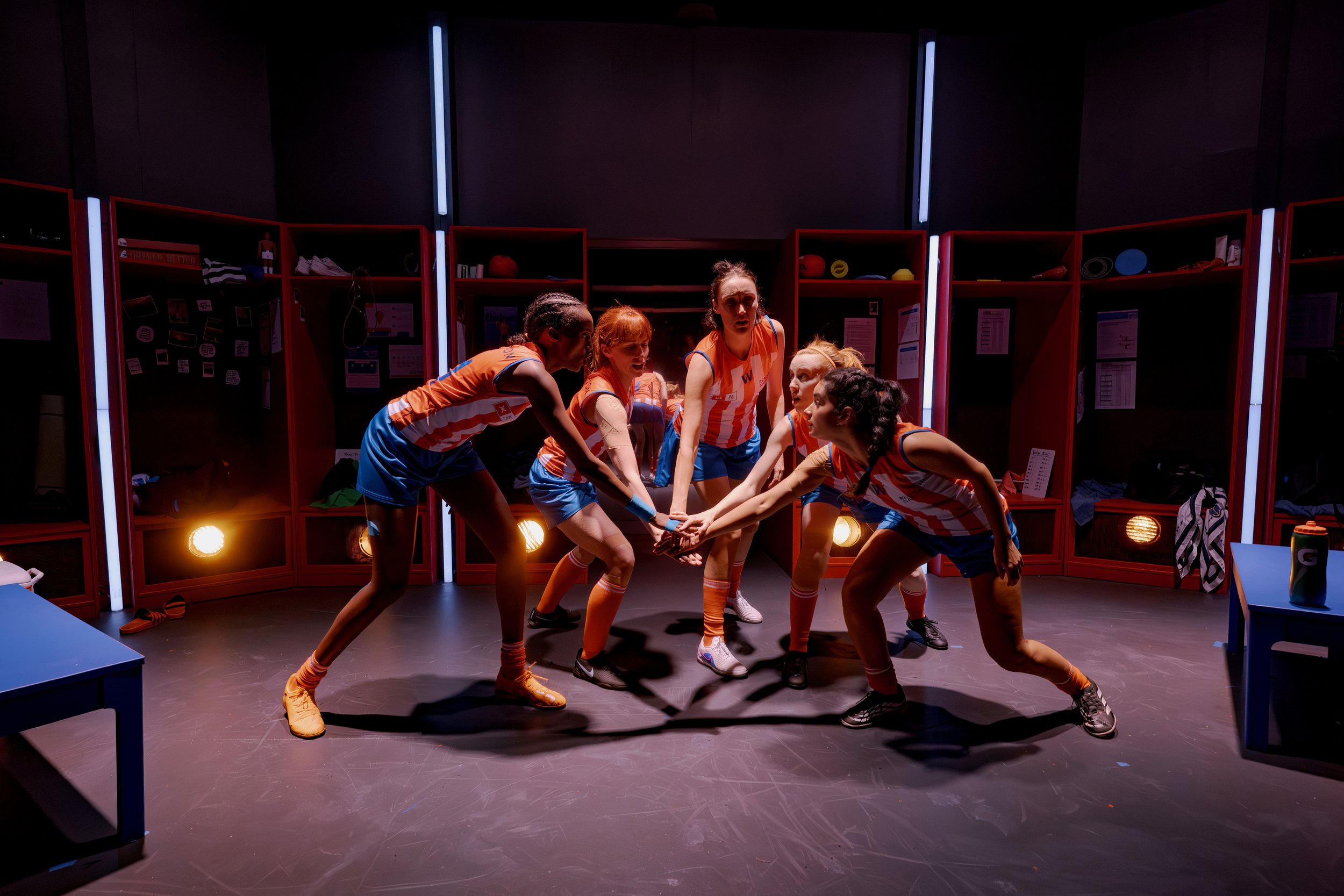
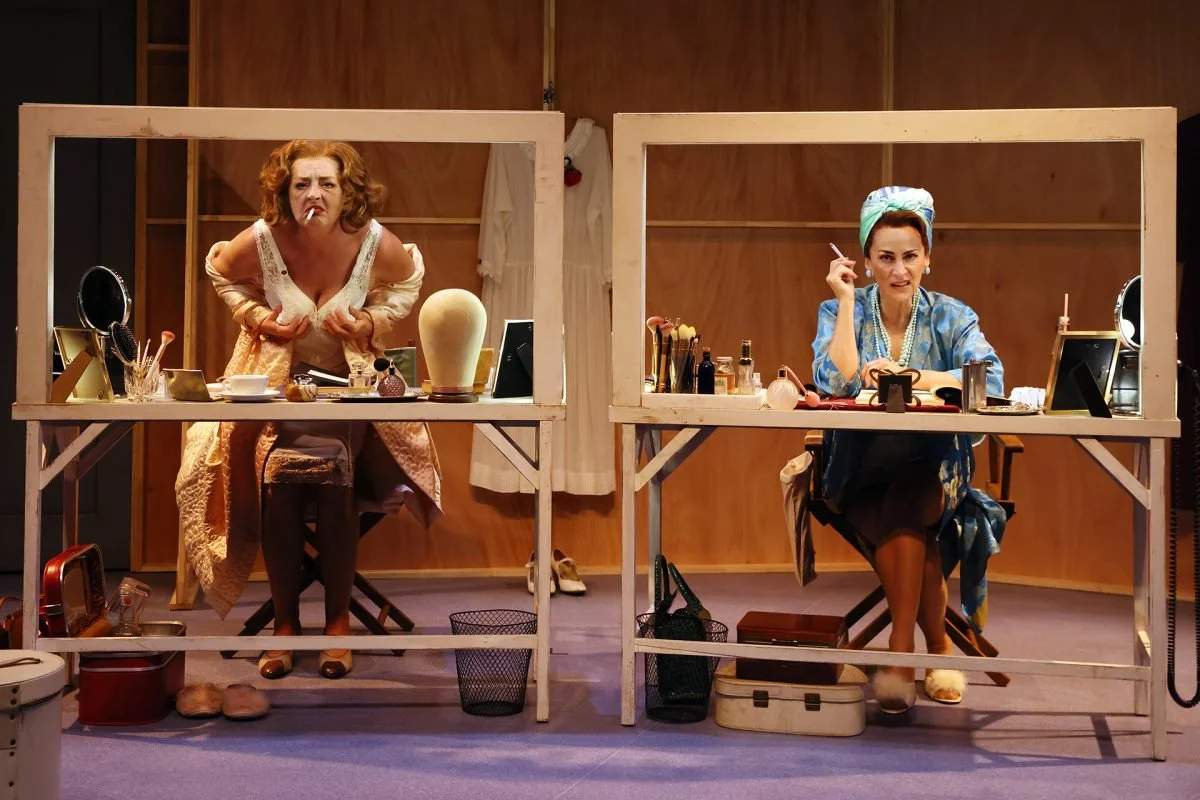
The piece drips with comedic charm; the tempo across the board is almost flawless, physical comedy remained brilliant and kept the piece moving (especially important in its 75 minute opening act), and the script had no shortage of clever in-jokes to make the theatre people in the audience chuckle. A definite standout in this regard was Nicholas Papademetriou’s Director, a golden portrayal of the wandering, pretentious, and slightly self-obsessed creatives we’ve all met. Similarly, Frank Shanahan’s collection of characters were all individually brilliant, and he had some of the most distinct physical comedy moments in the show. 

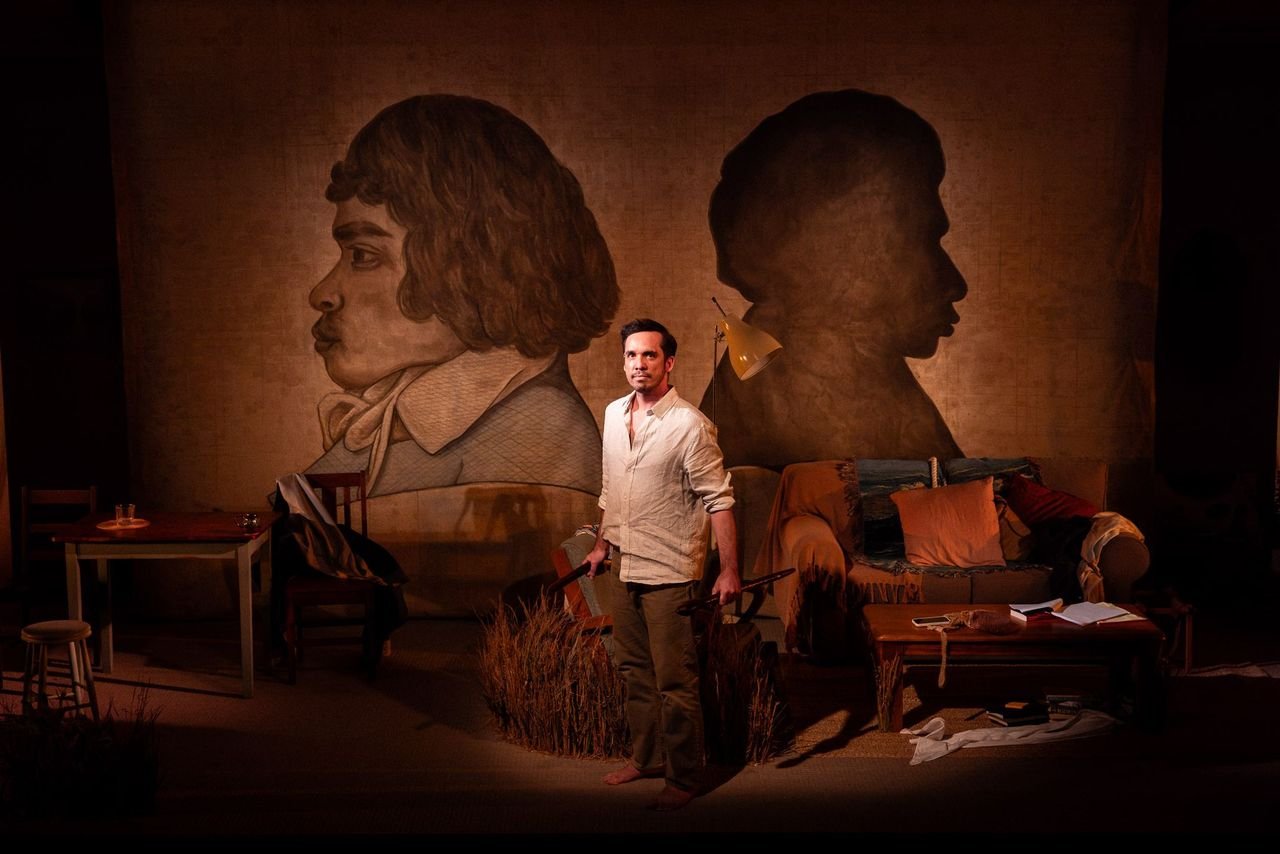
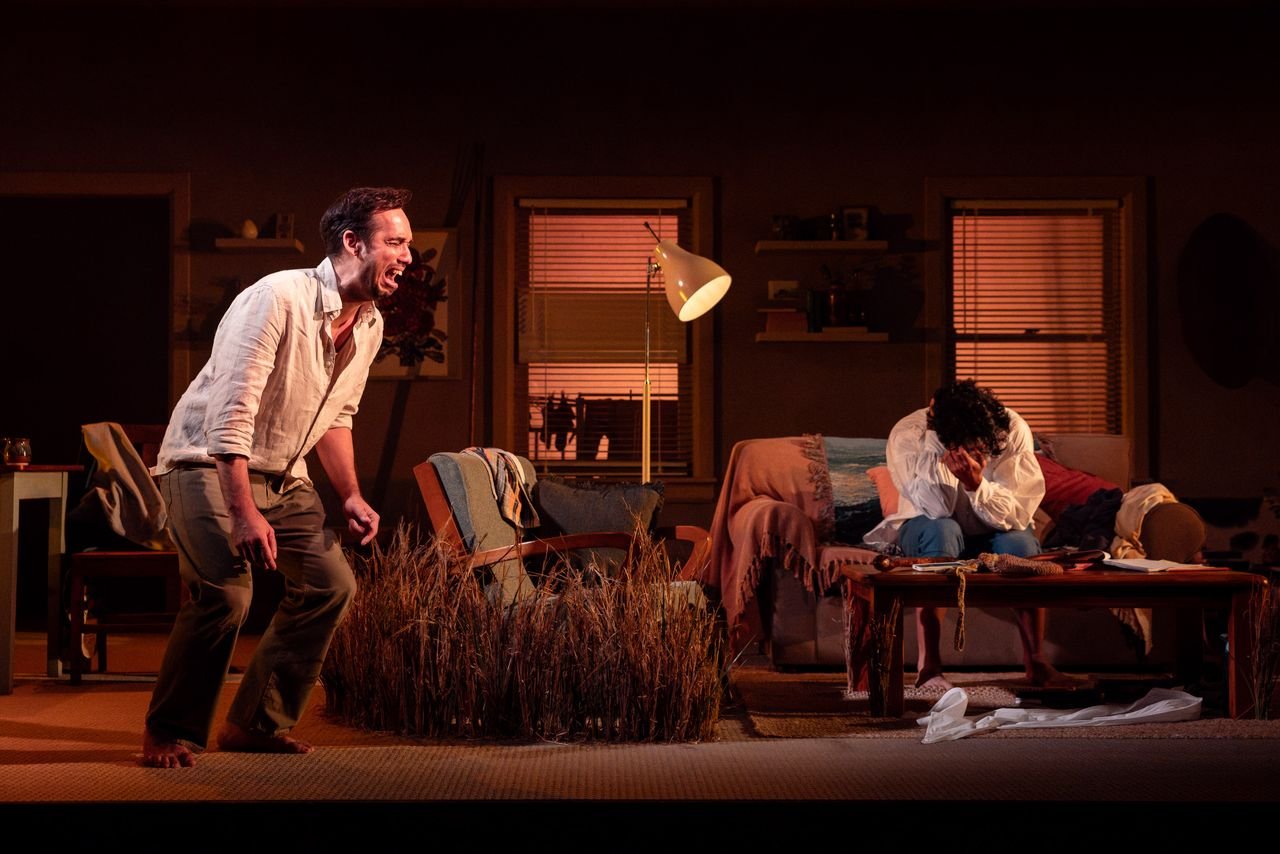
The first act was light on its feet, and despite its length, was never inspiring one to check the time. Yet, admittedly, the length of the first act does somewhat convince you that the show could end there. The second act then, has quite a task at hand - convincing the audience it should exist. It’s here that one could see the production start to dip in places. There are significantly less moments of comedy in the second act, and the script itself seems to take on this somewhat strange train of thought about punishing the lead female character by relishing in the breaking of her boundaries. But with Emma Delle-Vedove giving us such an empathetic portrayal of a woman dealing with romantic complexities, I found myself leaving with a bitter taste in my mouth at watching her be all but abused by her art form. Perhaps, this is better commented on as the likeability of the character herself, and the talented portrayal of her inner world by Delle-Vedove. Interestingly, Jason Swindlow’s “He” was somewhat better supported by the script in this regard. During the first act, it is easy to be swept up in his artistic romanticism, and yet, when the cold water of his living situation and avoidant tendencies hit you in the second act, you empathise with him, but not quite enough for us as the audience to want to stick around with him. 

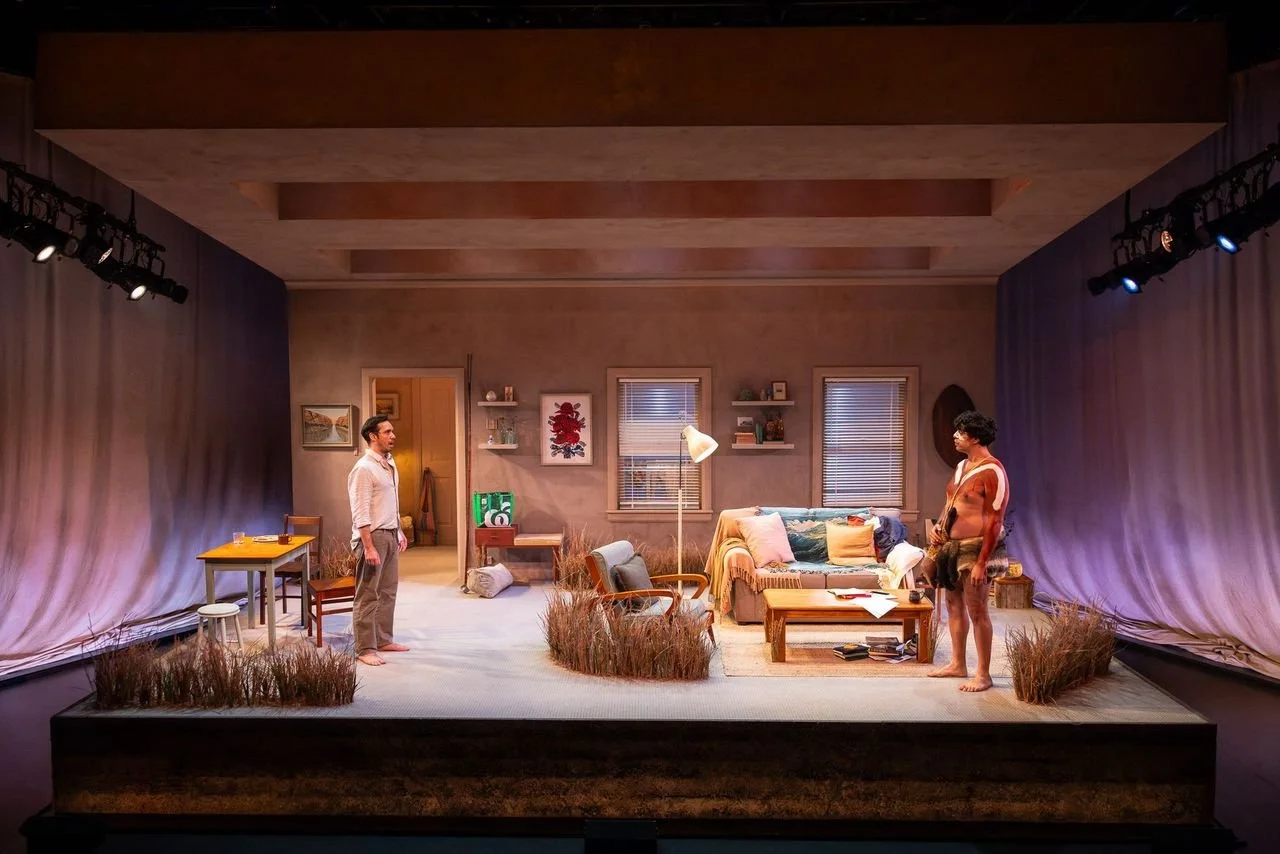
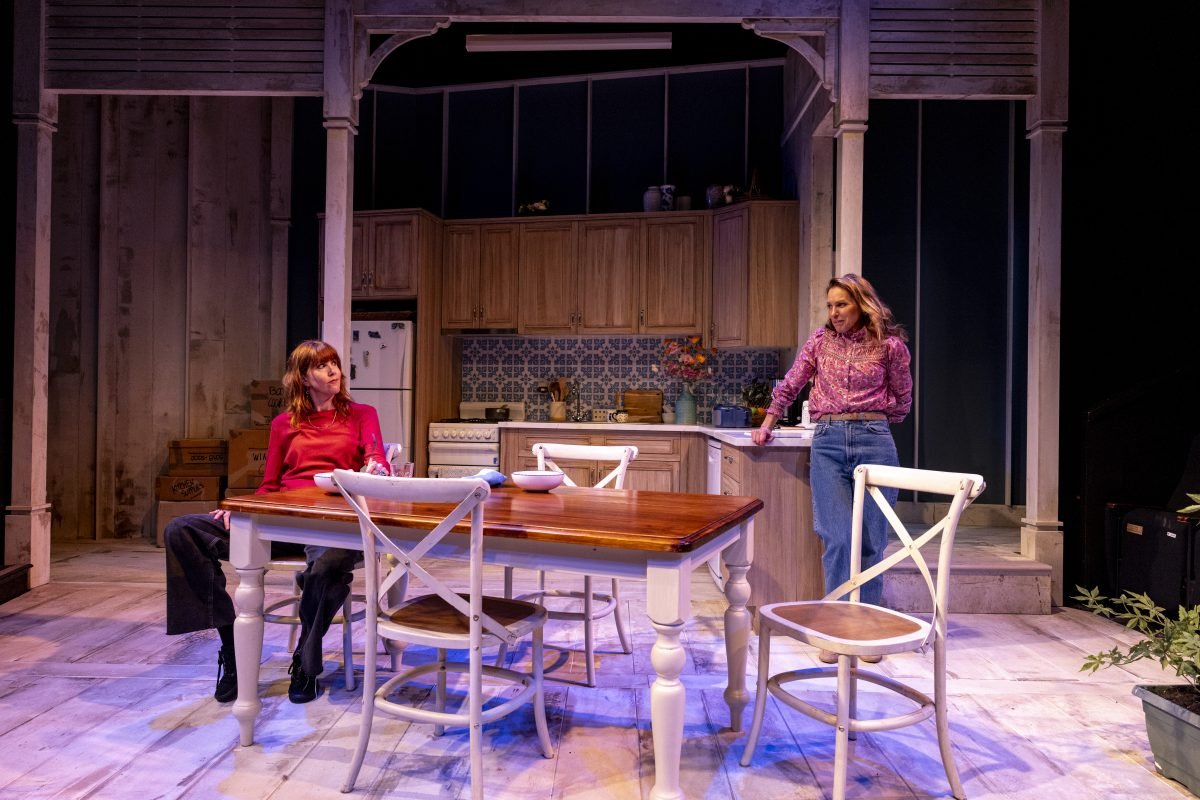
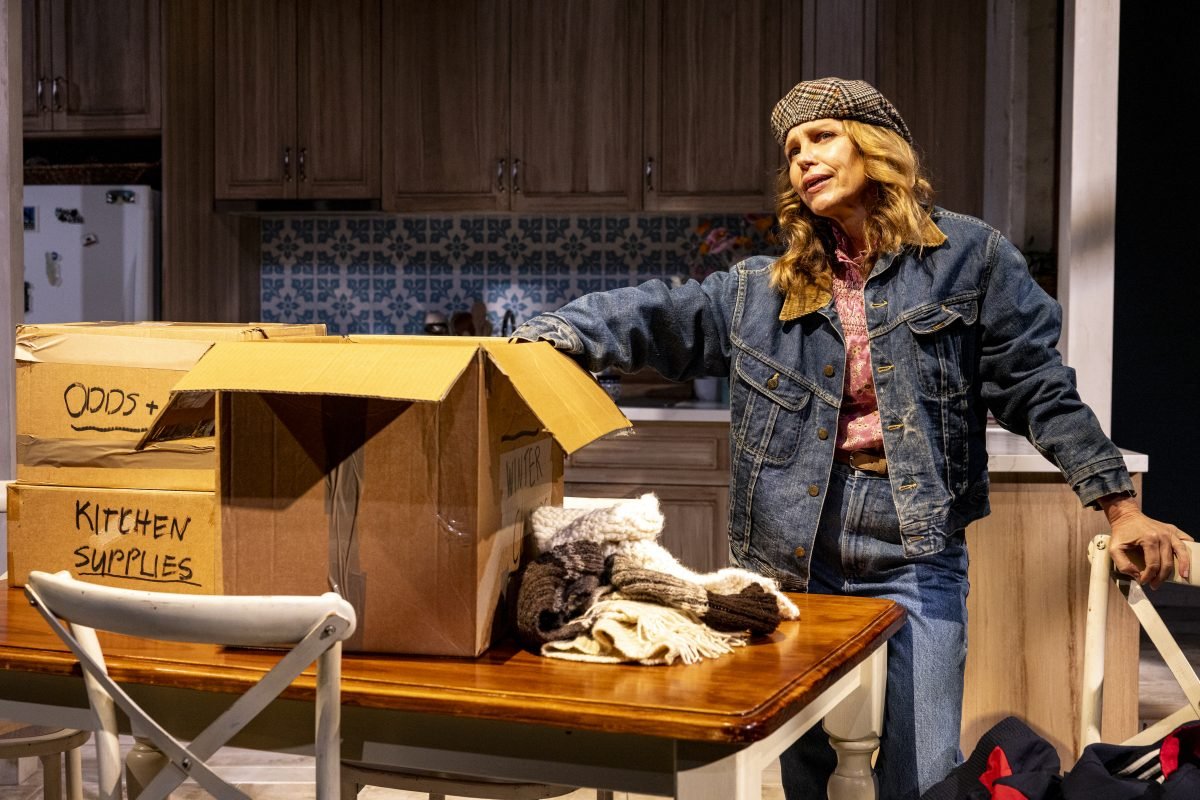
This production is kept alive and bounding by its brilliant ensemble: Lynden Jones, Nicola Denton, and Victoria Fowler do above and beyond to keep the story moving, and keep us from settling too much into the discomfort of some of the script’s less attractive moments. They also produced some of the most impressive “background noise” I’ve ever seen, keeping every moment alive. The set in the first act was effectively simple, and developed into a quality portrayal of a run down home in the second act. Accents, admittedly, dipped in and out across the board, and yet with a play as meta as this, when the actors have to play actors playing parts (badly), I can imagine why some of the finer details got a little lost in the wash. 

Overall, the production presents an interesting discussion on the addictiveness of artistic passion, wrapped up neatly in a masterpiece of comedic performance. Although some of the script’s beats slow it down slightly, the performances across the board make up for it. If you’re looking to find out what would’ve happened if that show situationship kept going… Stage Kiss is more than happy to let you know.

Old Fitz: Four Quartets

By Liron Peer

A simple, yet authentic rendition of T.S. Eliot's poetic sequence ‘Four Quartets’, now at the Old Fitz Theatre as part of their late-night program. The four poems featured were written by Elliot during different years through his career, with the latter two poems being written amidst WWII. These poems being, Burnt Norton, East Coker, The Dry Salvages and Little Gidding.

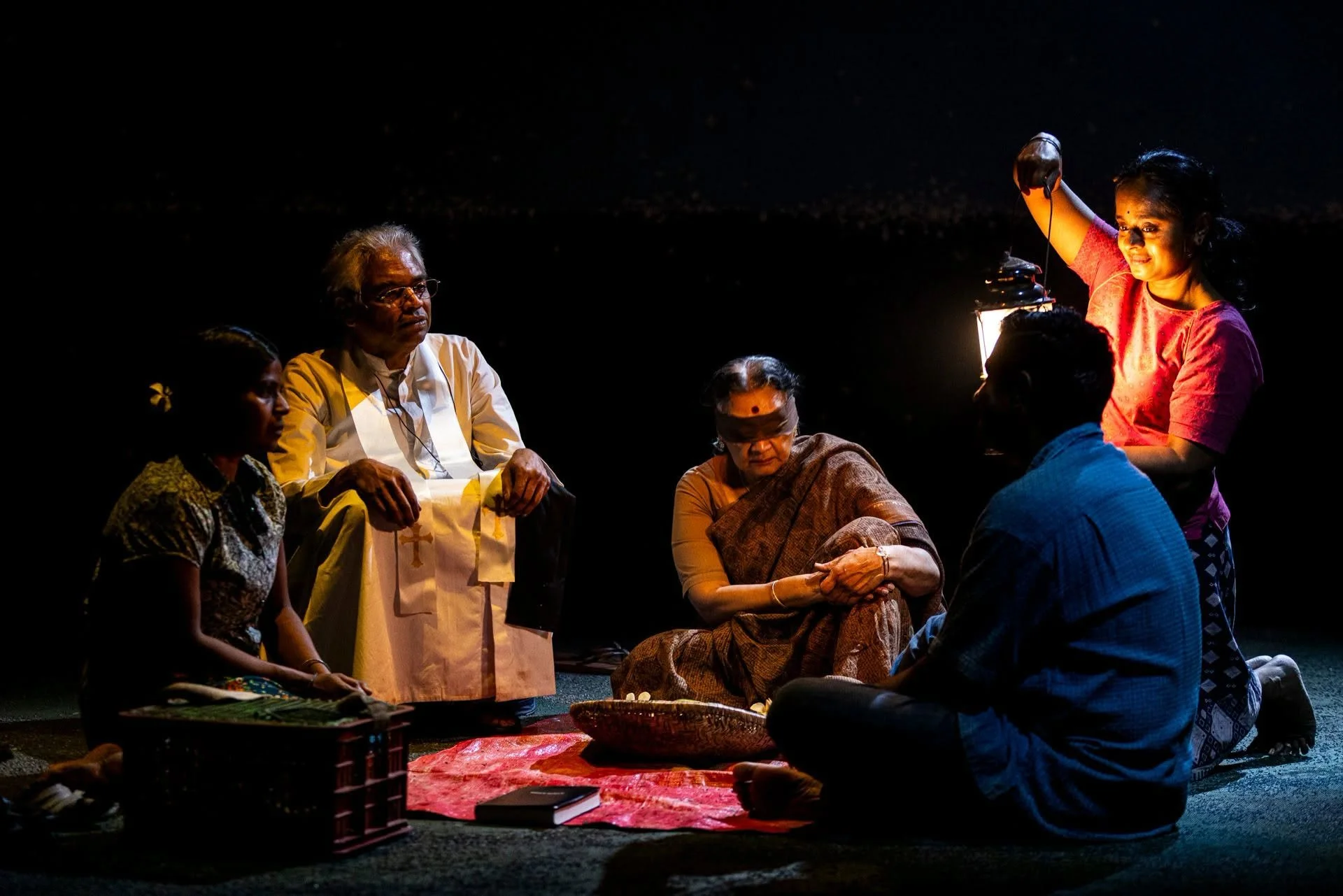
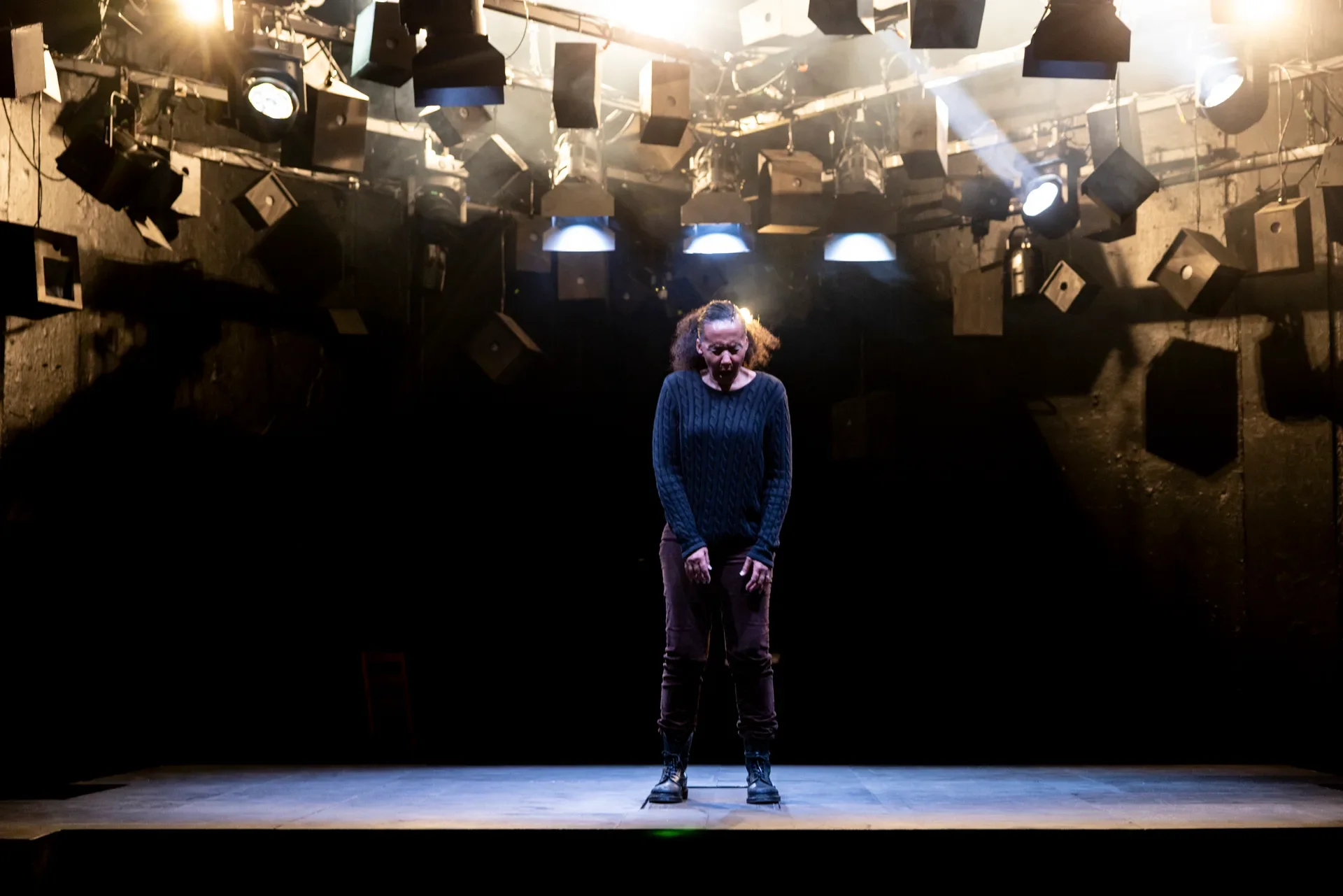
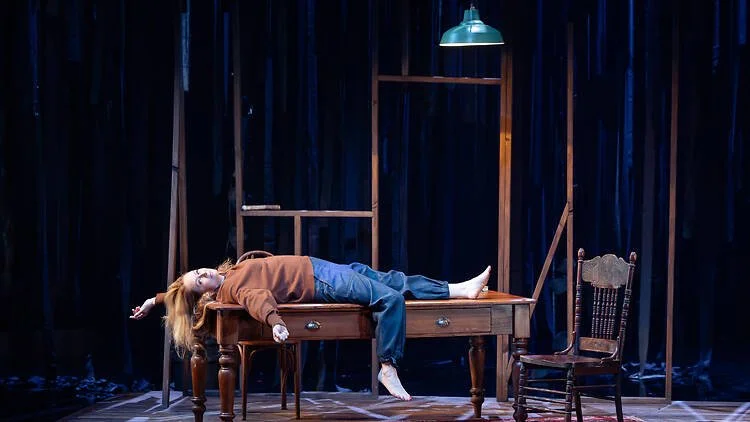
The dingy atmosphere created by the effective collaboration of set, lighting and costume had a transportive feeling of limbo. The space was draped with an old, rough-looking textile curtain, a single lightbulb hanging from the roof, a metal bucket, a crate and a box. Each actor came out into the shadowy space with soiled bare feet and neutral coloured clothing, sending a message that they are conveyors of Eliot's words and story without exaggeration.

Patrick Klavins' direction gave each actor a unique essence brought to their respective poem, particularly through their movement in space and how they utilised the set.

Sandy Eldridge’s specific character choices immersed us in the world of the poem. I enjoyed the distinct dialect she executed. Charles Mayer's embodiment of the story within Burnt Norton was relatable and engaging. When watching Kaivu Suvarna, I was able to extract the message that he was exuding. However, as the piece continued, I felt a slight disconnect that dipped. This was the tight-rope balance that each performer was navigating. Lastly, Grace Stamnas brought an intrinsic intensity to her portrayal, which was refreshing to me.

The contributions from each part of the production had married well together; however, it may not have been enough to grip the audience for its entirety. There was an understanding of the sombre yet hopeful worldview the poems contain amidst a tumultuous backdrop and the insightfulness that it is still very relevant today.

Monster: KXT on Broadway

By Max Boag

Credit Abraham de Souza

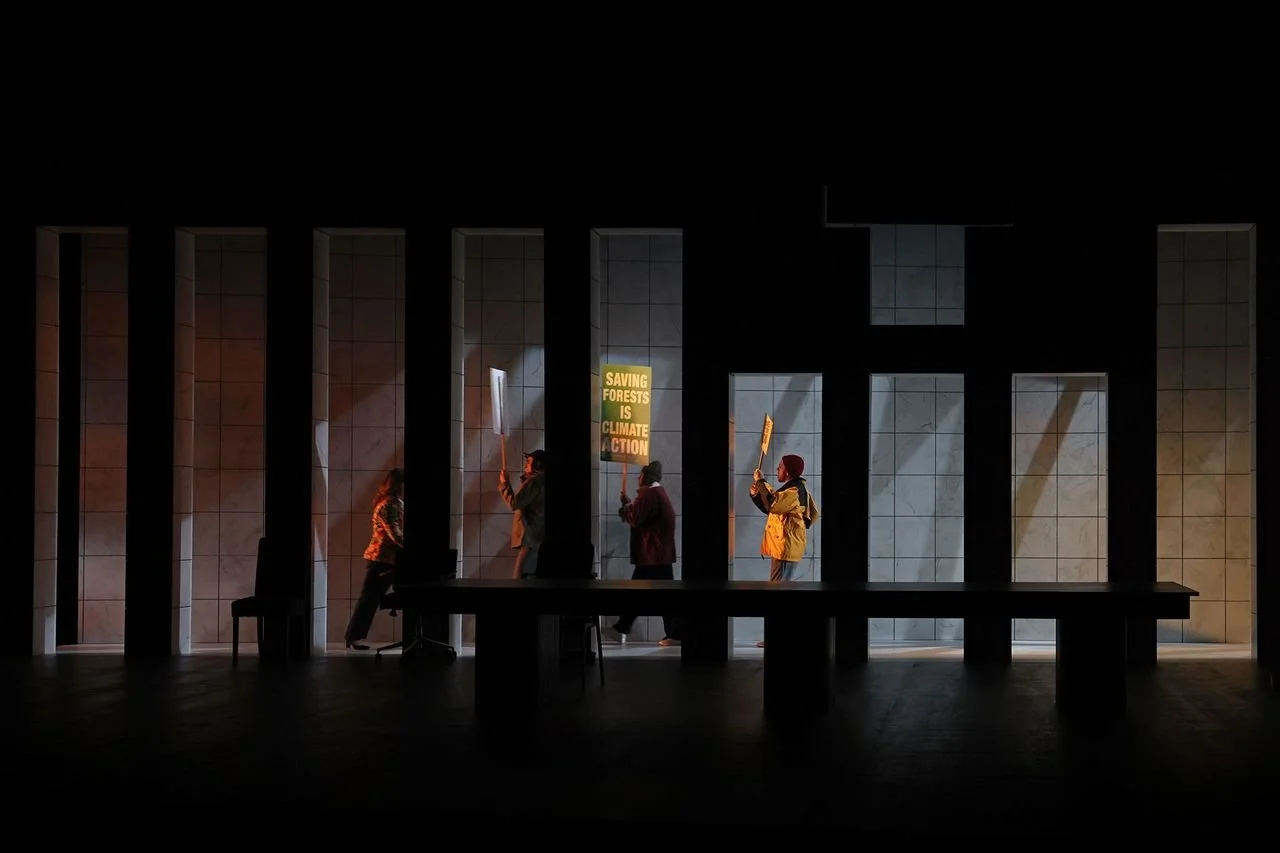
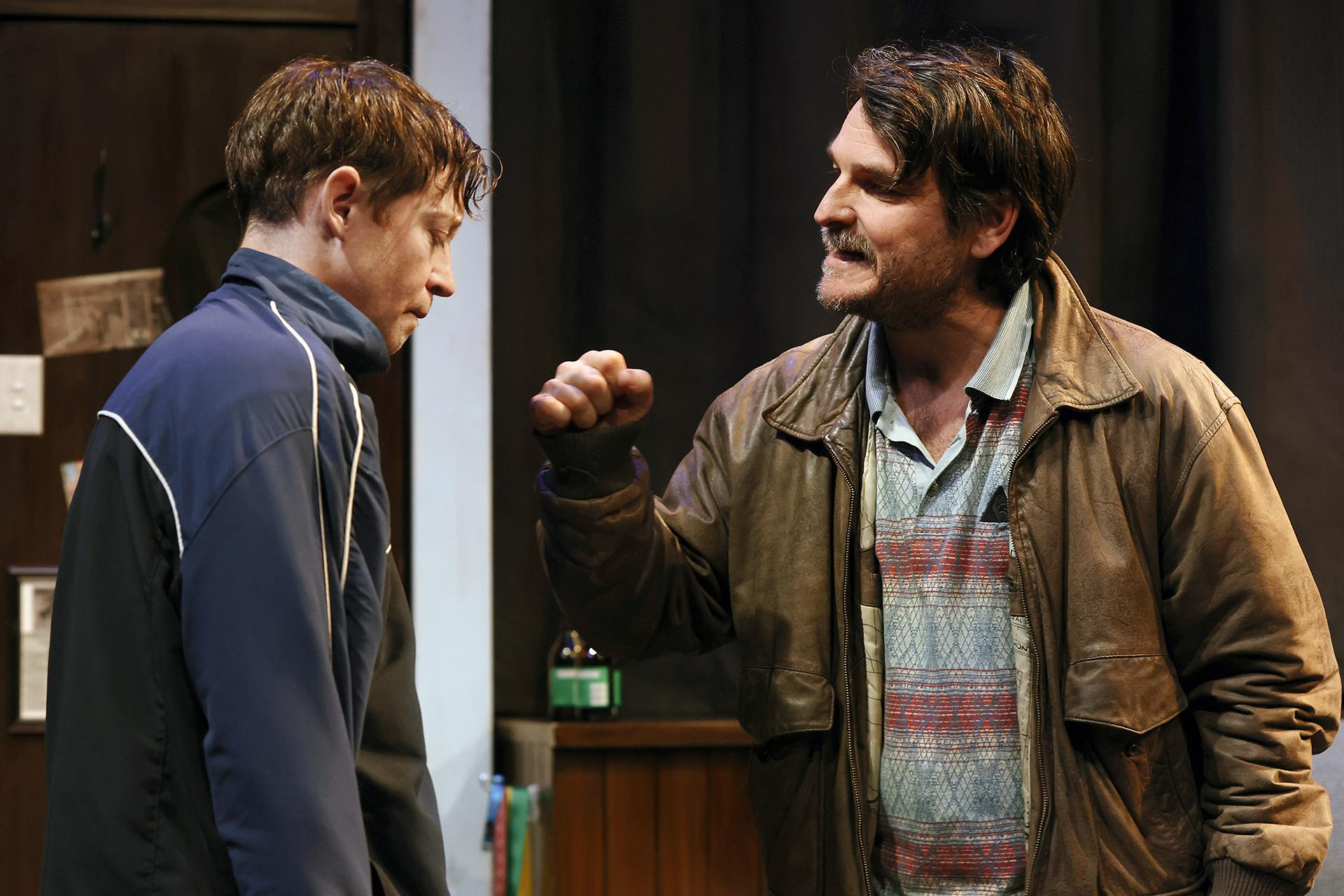
With the mainstream success of Adolescence (Stephen Graham, Jack Thorne) on Netflix, viewers could see how young boys, introduced to and influenced by alt-right content either in person or on the internet, start to become radicalised in both their ideas and actions. Monster (written earlier, in 2007), directed by Kim Hardwick, at first glance, appears to be strikingly similar in both its tone and message. However, while Adolescence dives into more of the “manosphere” and online incel culture, Monster focuses instead on what causes a child to become violent. 

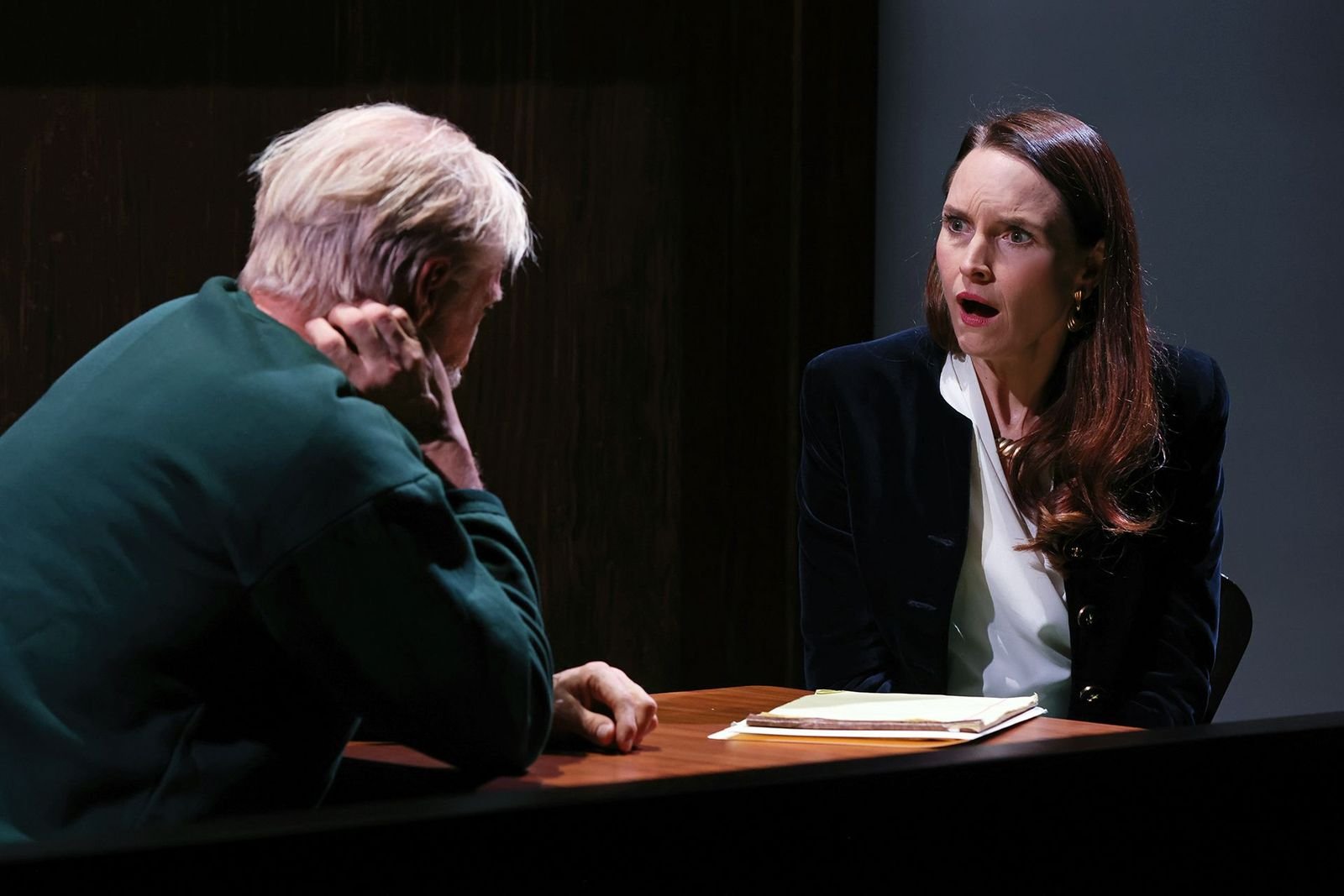
The entire play, from character dialogue to exposition, feels like a back and forth argument on whether Darryl’s (Campbell Parsons) inherent lack of empathy and violent tendencies are a product of his environment (how he was raised and the trauma he went through), or if he was simply born that way. The production does not shove this in your face, however. The conversations between Tom (Tony J. Black), his girlfriend Jodi(Romney Hamilton), and Darryl’s grandmother Rita(Linda Nicholls-Gidley) sprinkle these ideas naturally, and, without a solid answer provided, leave the audience to reflect on their own preconceived notions towards Darryl and children like him. 

KXT on Broadway's intimate theatre space and stripped-down set benefited Monster immensely, as every expression and gesture was visible to all of the audience. For a play that, in between incredibly realistic and fast-paced dialogue, had intense moments of silence, having the audience in close physical proximity to the actors is essential. This proximity, and the lack of an intermission, helped with the cognitive and emotive flow of the play as well. Even with black-outs used in transitions, a practice normally frowned upon for their impediment of the natural movement of a piece of theatre, still managed to carry the performance forward, as a soft spotlight on one of the actors gave the audience a focal point while the set and props were changed, and tense, atmospheric music masked the sounds made by crew and cast on stage. 

105 minutes is a long time to sit in your seat in one go, but for the most part, Monster didn’t feel like it dragged on. The phenomenally realistic acting from the cast and quick but intense transitions kept audiences captivated and reflective throughout the duration of the play. There is a drop off in tension and captivation towards the end of the play, after the climax, where the long pauses between lines, likely meant to show the characters contemplating the events of the play, can disengage an audience that has already sat through an hour and a half of high energy/pressure moments. 

The tension felt and the conflict towards how one is meant to feel about Darryl is in no small part due to the superb acting of the cast. Campbell Parsons gives a very dynamic performance as Darryl, switching quickly between a high-energy mask and more malicious/muted when called out for his actions. Every switch feels distinct and immediate, marked through gesture and expression, and he feels, rightly so, very unpredictable. Tony J. Black, for a new cast member(only getting the script and beginning rehearsals the Sunday before opening night) embodies Tom impeccably; contemplative and calm, with a very volatile centre, which you can see so clearly through his strained speech and anxious body language. Linda Nicholls-Gidley’s Rita and Romney Hamilton’s Jodi both offer so much nuance to their parts as well. Nicholls-Gidley manages to distinctly display Rita’s contradiction in thought, a want to protect her grandson, and a deeper understanding that he needs help she can’t provide. Hamilton’s performance as Jodi holds so many subtleties that make her character all the more interesting to watch, and her outsider perspective on Darryl’s situation, and frustration on it affecting her life unfairly, feels so authentic, audiences can’t help but feel sorry for her. A show set in the UK, with Australian and American actors, will have slip ups in accents, which sometimes can take one out of the performance ever so slightly, but the incredible acting from the small cast is easily able to bring one back into the fold.

The quote "Art should comfort the disturbed and disturb the comfortable" by Cesar A. Cruz feels especially applicable to this piece. Watching Monster will leave you reckoning with your own beliefs about who exactly is responsible when a child grows up violent or disturbed.

Monster is a very thought-provoking, gripping piece of theatre, running at KXT on Broadway until the 21st of March.

Purpose: Sydney Theatre Company (STC)

By Aden Zaki

Image Credit: Prudence Upton

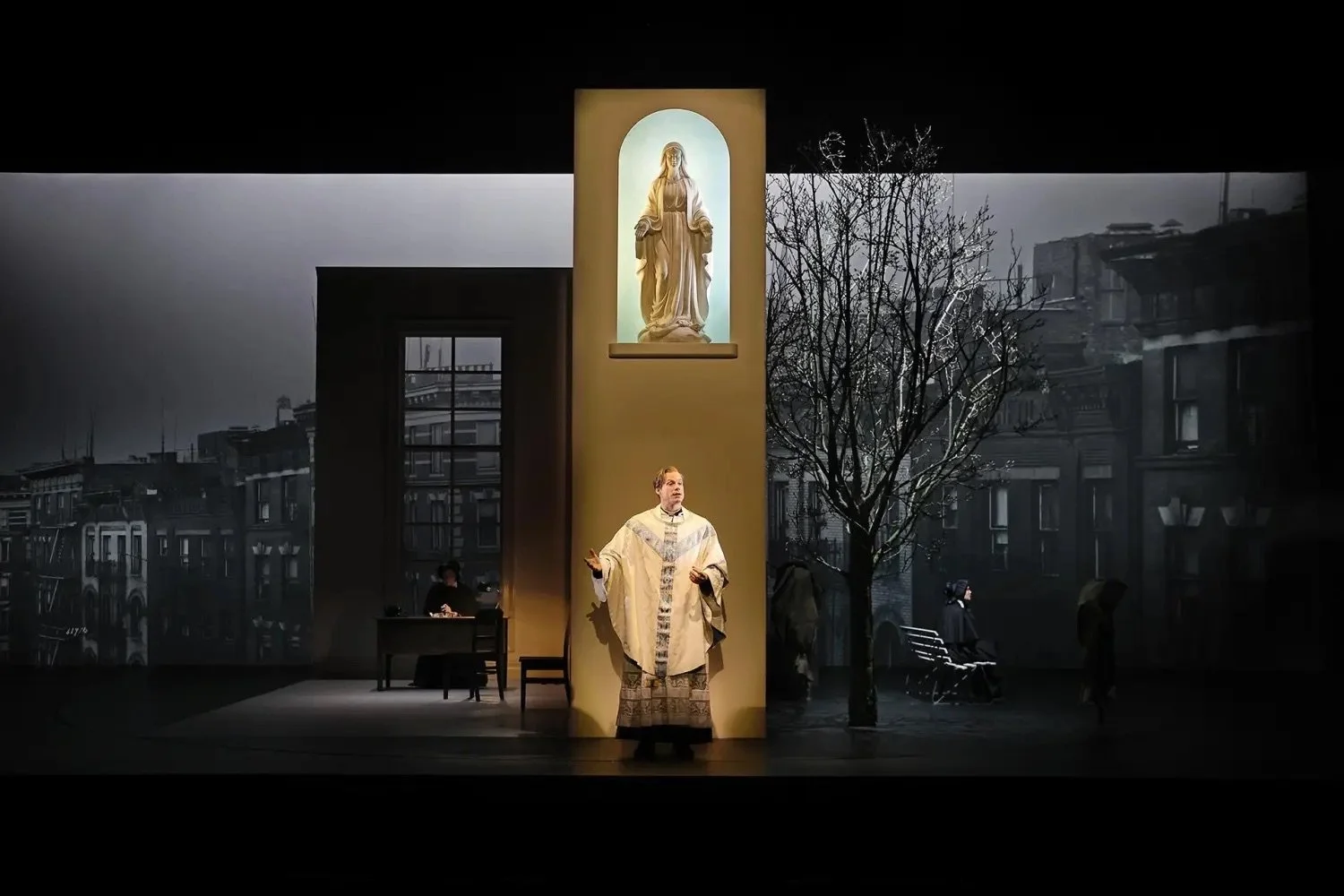
A family reunion is disrupted by an outsider who provokes invisible tensions to bubble before they pop. It’s a tried and tested recipe for melodrama that Purpose delivers on, although perhaps at the expense of political nuance.

Nazareth Jasper (Tinashe Mangwana), our narrator, is coming home to celebrate his mother Claudine’s (Deni Gordon) belated birthday. Celebrations have been put on hold while his brother (Maurice Marvel Meredith), a prominent congressman convicted of tax fraud, serves the remainder of his sentence. His wife Morgan (Grace Bentley-Tsibuah), embroiled in these crimes, is less than excited to see him; the end of his time in prison means the imminent dawn of her own, based on a deal they brokered to serve their sentences in succession. Crashing the party is Nazareth’ friend Aziza (Sisi Stringer), a social worker from Harlem who gets trapped by a snowstorm while dropping him home. Nazareth has just agreed to be Aziza’s sperm donor, and she could have never guessed who future grandfather is: Solomon Jasper Senior (Markus Hamilton), an ex-radical leader of the civil rights movement and beacon of “black excellence” with ties to all the most influential black families in America. Over the next twenty-four hours she watches the family unravel, although it seems this unraveling might be less the result of their contradictory class status, and more so of one father’s crushing expectations.

Solomon is caught in a bind between his expectations and his desperation for truth. Like any patriarch, Solomon has great expectations for his offspring. Junior was supposed to honour his political legacy in congress, while Nazareth was meant to live the life of spiritual cultivation he never was able to. Of course, neither of the boys can fulfill their roles. And to curb his disappointment, they live their lives in secret. Nazareth refuses to share his work as a nature photographer and his innermost thoughts are reserved for us, the audience, delivered in his narration. Solomon is frustrated by all this secrecy, and yet he refuses to acknowledge it, or, for that matter, any secrets of his own.

It looks like a perfect setup for an outsider like Aziza to come in and unravel things. But, surprisingly, she fits right in. She already idealises the man who runs the house; in the background of one of Nazareth’s expository monologues, she runs around the stage giddy, taking selfies with the MLK shrine in their living room, and filming a Tiktok dance in front of a hanging portrait of Solomon himself. She is blind to any friction between Solomon’s class status and his radical past. In fact, she finds their beautiful home and connections to other wealthy, influential families aspirational. The only tension that arises between her and Solomon is about Nazareth’s sexual identity – more of a generational misunderstanding than a political disagreement. 

So Aziza is not the outsider she seems fit to be. It takes someone on the inside to illuminate the sinister underpinnings of the family, and that person is Junior’s wife, Morgan. Jacobs-Jenkins’s reimagining of the outsider trope is one of the major virtues of his script. Morgan is not beholden to the father’s contradictions, but she cannot afford to ignore them. Her loyalty to the family he’s created has landed her a prison sentence, but it has also given her a glimpse into what lies behind the facade of “black excellence”: a relentless commitment to maintaining their image. It is a joy to watch her stir up a storm on such a pristine set. And out of all the monologues this play manages to squeeze into its runtime, hers alone has the urgency and sincerity required to keep an audience gripped. But like much of the show, Morgan’s uprising comes across less like an indictment of the family’s flimsy commitment to emancipatory politics, and more like a cathartic revenge plot.

On the whole, Purpose is a well-crafted melodrama. It might skim past the tensions between being black and wealthy in America, but it is an undeniably entertaining bombshell of a production.

The Normal Heart: Sydney Theatre Company

By Aden Zaki

Photo Credit Neil Bennett

When staging a play like this, written in such a particular moment, to deliver such a particular message, for such a particular audience, the question of relevancy becomes unavoidable. It is a testament to Larry Kramer’s writing – and perhaps an indictment of the culture he was critiquing – that many of the questions it asks remain unresolved and urgent today. Kramer’s tragic, semi-autobiographical portrait of the AIDS epidemic is stylishly revived by the STC, thirty-six years after they first staged it in 1989. The production takes few risks, but the potent material is served by this simplicity.

It is New York City in the early 1980s. A group of gay men fight to establish an advocacy group poised against a mysterious and fatal disease decimating their community. Although officially led by Bruce Niles (Tim Draxl), an investment banker whose squeaky-clean image provides a marketable face for the movement, the operation is spearheaded by writer turned activist Ned Weeks (STC Artistic Director, Mitchell Butel). As the death count rises, the plot is driven by Ned’s unrelenting commitment to his cause, which rubs both his opponents and allies the wrong way. 

This is especially true of his attempts to spread the advice of Dr Brookner (Emma Jones), the only medical professional taking the epidemic seriously, who warns that to curb the spread gay men need to stop having sex. But then… what are they supposed to do? It’s an idea that offends both the conservative and liberal sects of their grassroots organisation. Ned’s ensuing conflict with both sides opens up questions about how gay men relate to each other beyond their sexuality, questions especially relevant to our post-Sexual Revolution moment, where promiscuity is no longer an expression of a radical politic but a kind of hegemony. At times the play comes across as didactic in its critique of promiscuity, but there is enough counterpoint to keep things tonic. In Evan Lever’s monologue as Mickey Marcus, he recalls embracing his desires and overcoming shame as an instrumental step in his political journey. Is sex worth dying for? Maybe not. But freedom and love certainly are, which is what sex has come to represent to a community for whom it has been denied and repressed.

Steadfast at the centre of these conflicts, Ned is insufferable to almost everyone he knows. Everyone, that is, except his lover Felix Turner (Nicholas Brown), a suave but politically neutered reporter for the New York Times. Their relationship is charming and tragic, but the most emotionally impactful scenes play out between Ned and his brother, Ben (Mark Saturno). This is due to both Saturno’s portrayal of Ben’s tragic ignorance and Butel's indicting monologue, the height of his performance. It’s a shame the resolution of their conflict comes so suddenly, as an almost perfunctory ornament to the final scene. 

On the whole, the production is top class – one would expect nothing less from the STC. It does little, however, to elevate the material. 

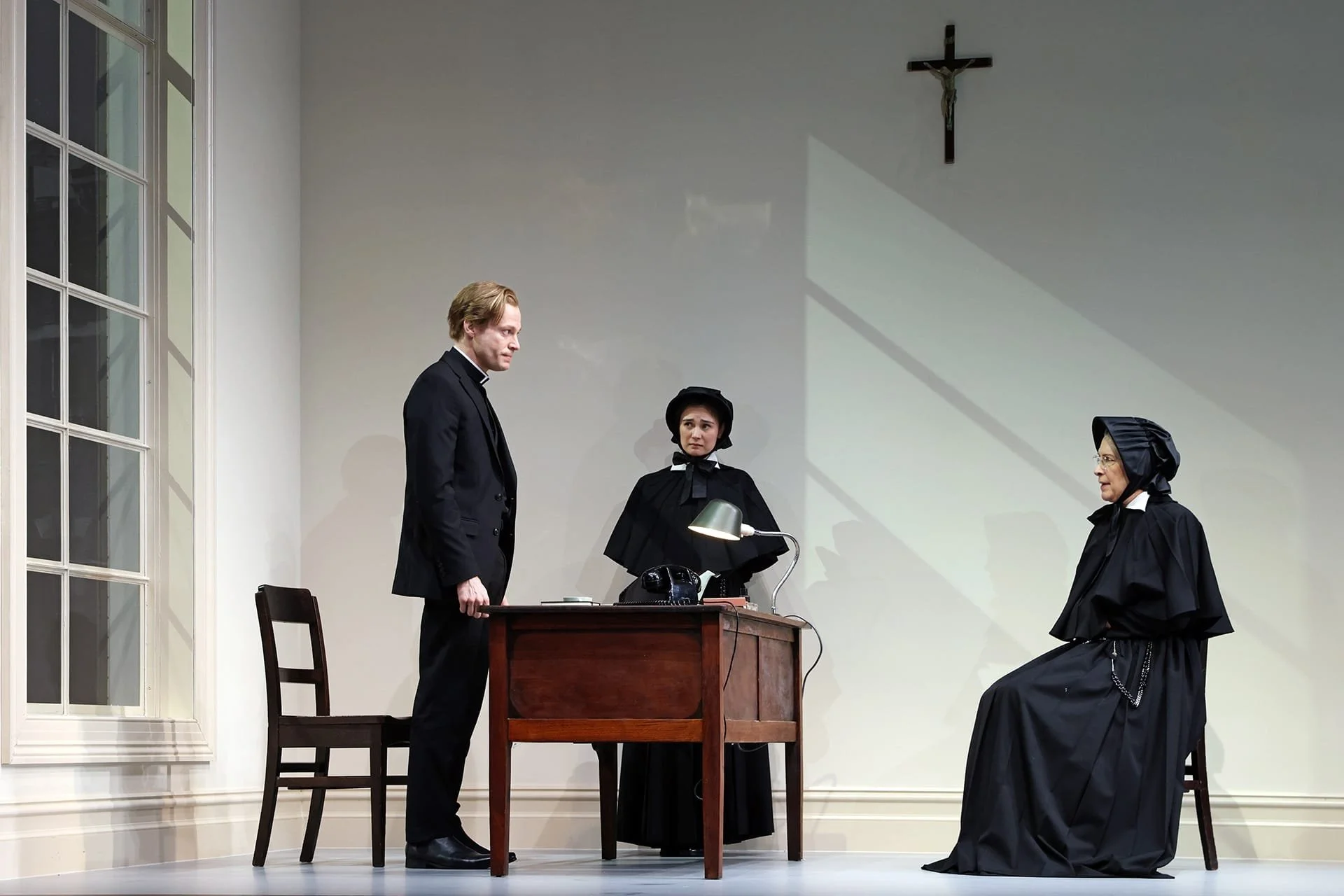
Although I found Jeremy Allen’s set initially disorienting – something like a hospital ward crossed with a dingy bohemian apartment – it grew on me. The action grounds the space and brings it to life. So too does Nigel Levings’ naturalistic lighting, streaming in through windows from side stage. By the end, my only wish was that they had made better use of such an interesting set, as much of the action was confined to the centre platform.

Michael Griffiths and Rowena Macneish, on piano and cello respectively, sit at the fringes of this stage. Hilary Kleinig’s accompaniment is stylish and minimalistic. It successfully carries the momentum through blackout transitions and underscores emotional beats. Occasionally the duo are joined by vocal performances from the cast, who loiter around the edges of the stage too, awaiting their next scene. The vocals are sharp, but the evenly compressed three part harmonies are almost too clean for their surroundings, which might have suited a more raw performance.

Keeping the cast on stage to watch the plot unfold with us is perhaps the most interesting of Dean Bryant’s directorial decisions. The play is divided between the struggle of one man and the horror his community is facing. The physical presence of this community on stage draws focus to the collective mourning. It also prevents the scenes of terrible suffering from feeling voyeuristic. You get the real sense of a whole community in reeling, one whose fate you have been invited to participate in, not merely to witness.

During intermission there was a sense of solidarity among the audience, who filed into the foyer with gentle pats on the back and hugs and reminiscences. After the curtains were drawn, a neighbouring couple told us about their experience of the crisis. One of them had seen the first STC production back in 1989. He said the play felt much more polemical back then, which I imagine I’d agree with. Perhaps some distance from the political moment of its conception has given the show room to breathe, allowing it to speak on issues which, although less fatal than the AIDS crisis, are nonetheless endemic.

The Social Ladder: Enesmble Theatre

By Lola Carlton

“So Where Did You Grow Up?”

In the state of modern politics, the American class system is only too obvious. As a matter of fact, it’s so glaringly obvious that we often forget that Australia has a deeply rooted class system of its own. Imported directly from the UK through colonisation, if you want any luck in ascending the class hierarchy in modern day Australia, there’s a collection of things that must be embraced. And, there’s certain ugly parts of one’s upbringing that must be cut out like parasites. It is this conversation The Social Ladder has with its audience. A deeply intimate and highly local reflection, The Social Ladder doesn’t just ask why someone would ever want to climb the ranks, it explores the sheer ridiculousness of how those delicate attempts must be made - and how easy they are to screw up. 

The stage at the beginning seems confusingly bare. Ensemble is known somewhat for their flashy production value, so having a completely bare experience was almost out of character. We shouldn’t have worried, however. In a brilliantly staged foundation for the entire two hour experience, three lamps drop slowly from the ceiling, each representing the three layers of the Australian class system; working, middle, and ruling. 

Williamson’s script has a knack for helping his audience feel right at home, and the comedy of the show certainly embraced calling to cultural references that allowed us to both laugh and interrogate the conversations happening on stage. Too often when a production comes to Sydney, or a script is adapted for Sydney stages, we the audience end up missing out on those finer points of context simply because we haven’t grown up with them. The Social Ladder cleverly evades this problem, and in doing so, allows the production to have the same conversation theatre has had before in a much more nuanced way. This nuance continues with the production design elements as the show evolves. Mandy Bishop as Katie Malloy is constantly in costumes that feel almost too chic, performing taste rather than embodying it. The couple’s house in the second act also ends up feeling more like an art museum than a residence, further separating them from the lived in luxury the Mallory’s exist in.

Mandy Bishop puts up an incredibly strong performance as the epitome of the social climber middle class Australian experience. Both a brilliant comedic performer and with strong character instincts, she is both deeply unlikable for the working class folks in the room, and uncomfortably understandable. A particularly memorable moment for me in this regard was the brilliantly tight expression she wore for the first 15 minutes of her stage time. Her chemistry on stage was distinctly marked by the reality she knew, they knew, and we knew that she was using them. Despite this, I found myself still wanting her to succeed. And although perhaps her character didn’t quite learn anything from her ending, quietly, I didn’t want her to. Katie Norrie is the distilled representation of the provincial Australian insecurity we’ve carried since the First Fleet, and her value system is so baked into Australian Culture, if she had changed “for the better” by the end, it would’ve been unsatisfying. Instead, Bishop’s performance allowed us to giggle at her depravity and unraveling, whilst also pointing the mirror back at us, and making us all a little uncomfortable as we left the theatre. Wondering if we were also that annoying. 

My stand out of the night was Jo Downing as Laura Gregory: a working class school teacher married to an impotent creative. Downing both had incredibly strong comedic instincts and understanding of tempo, but she also fully understood the stakes in a way that made her performance ever evolving and interesting. Laura Gregory the character understands why the things in this No Exit-Esque dinner party are happening the way they are, and Downing in response finds both the dry absurdist humour of that understanding, and the quiet horror of knowing that everyone around you is using your work and talent whilst simultaneously being completely willing to abandon you at the drop of a hat. Beautifully expressive and deeply likeable, she represented maybe the closest thing to an innocent character this play had to offer.

The Malloys, in contrast, functioned more like characters out of a Pinter play. Both Sarah Chadwick and Andrew McFarlane delivered incredibly sophisticated performances - a direct quote from my notebook being “I love to see a well trained actor.” Both of them represented the Australian upper class, McFarlane as the true-blue Aussie Conservative, and Chadwick as the English transplant, better than everyone just by being from the original family house rather than the granny-flat. Their on-stage chemistry was fascinating, an odd mix of desire and disdain all mixed up in the knowledge they needed one another to stay in power. Sarah Chadwick continued to impress as her character gained nuance towards the end of the piece, yet still remained impassive and untouchable, never fully in reach of the Norries, and certainly not available to the Gregorys.

Johnny Nasser and Matt Minto gave entertaining performances, and although they had great chemistry with the other actors on stage, struggled to offer their characters the nuance that the women on stage had - as well as perhaps jumping too quickly on the punchline which undercut some moments of comedy. They were, however, both strong comedic performers, and as their friendship was tested by their mutual betrayal, their ability to switch loyalties depending on who was on the winning side was an impressive example of their emotional intelligence. All three men on stage created fascinating examples of widespread conservative, centrist and leftist arguments - and more interestingly, that the people behind those arguments, no matter how flattering they might sound, were often hiding a weak moral backbone behind masculine posturing. 

Across the board, this cast produced some truly remarkable performances. All six had excellent vocal technique and comedic ability, making this show’s two hour run time fly by. The stage work, script, production value and tech all elevated the performances three-fold and brought us into an uncomfortably relatable world. This is in no small terms a professional show done by God’s honest professional people. If you’re looking for a hilarious and pointed dissection of high-society Australian culture, you’ve found one. Although you may cringe and grit your teeth the entire way through. 

How to (Almost) Get Away With Murder: Dial M For Murder at Ensemble Theatre

By Lola Kate Carlton
Edited by Raven Carlton

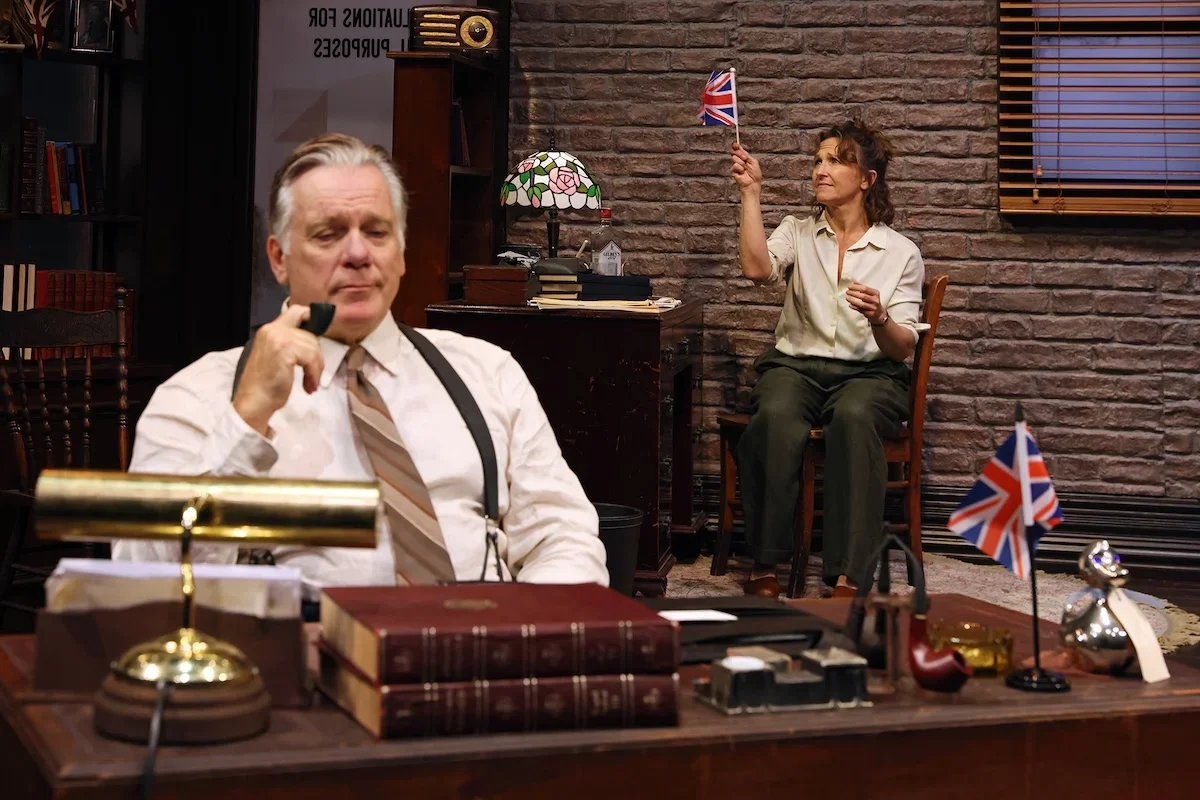
The murder mystery genre is a cornerstone to the world of theatre. A money-maker; selling out shows to crowds who generally know what they can expect. This is to say it can be both entirely stereotypical, and deeply comforting in turn. Ensemble Theatre tends to avoid the humble murder mystery where they can, leaving it to smaller theatres. So, it was a surprise to see Dial M For Murder grace Ensemble’s stage. In this smoky, complicated, love triangle-filled, almost-murder mystery, we witnessed both what shines through about the genre, and what makes it so difficult to master. 

Ensemble Theatre is well known for its production value, and Dial M For Murder was no exception. Upon entering the space, the richness of the set immediately jumped out. Director Mark Kilmurry has expertly presented us with a world that grounds the audience through the stakes and drama of the piece’s action. Warm toned wooden browns and deep, luscious reds littered the room in a beautifully naturalistic 20th century apartment. Congratulations in this regard must be given to Nick Fry, who soared above and beyond in both costume and set design. On the wall sat the abstract interpretation of Yeats’s Leda and the Swan by Jerzy Hulewicz, which told us this may be a story we’ve heard before, yet in an entirely new way. It also hints us into the action of the piece — a woman overpowered, a godlike figure turned animalistic, an innocence betrayed. Both of Ensemble’s theatres are thrust theatres, which center the audience’s focus entirely on the action from three separate angles, while simultaneously creating a feeling of intimacy that can sometimes be lost in rooms of this size. This proved to be necessary as the relationships of this play got more intimate, and infinitely more complex. 

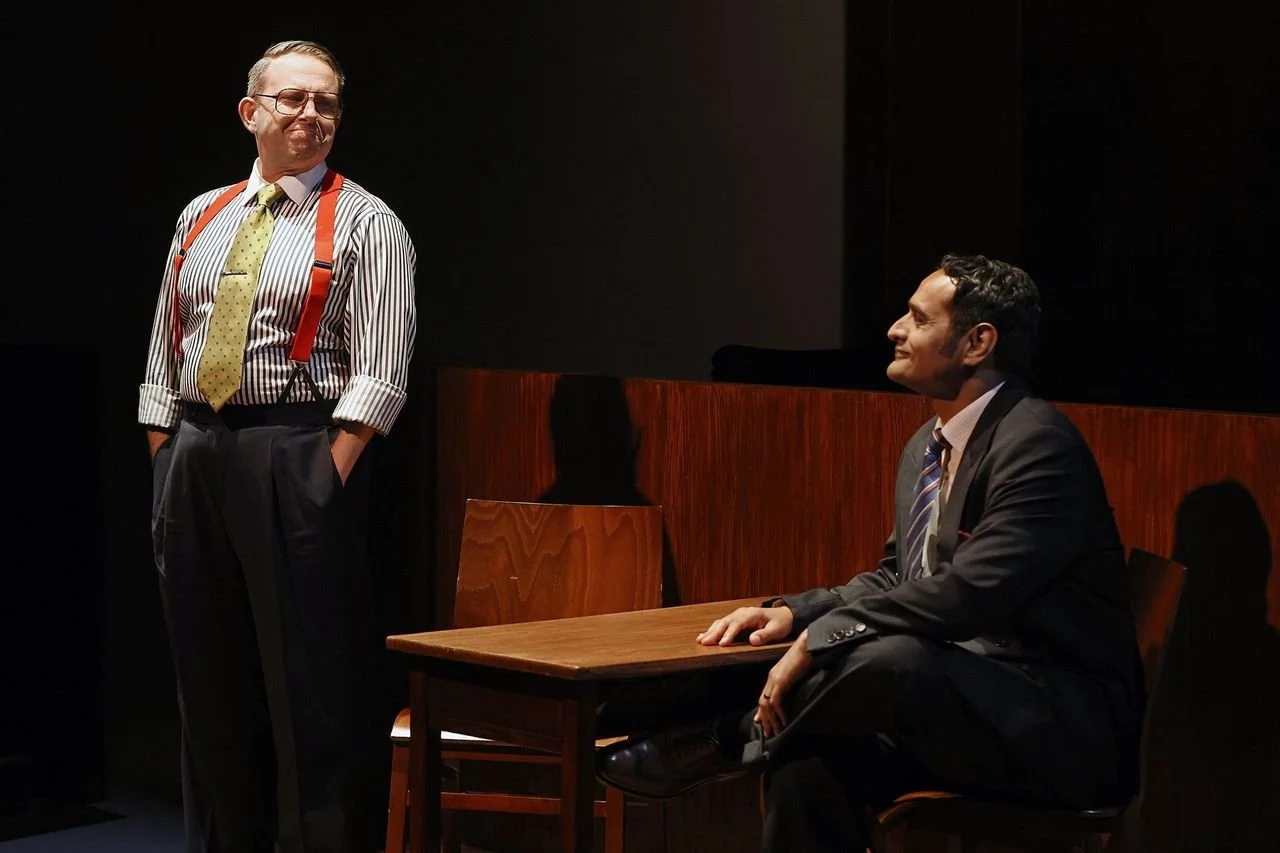
The play opens on two young women, Margot Wendice (a married woman), played by Anna Samson, and her paramour Maxine Hadly, played by Madeline Jones, setting up the play’s first complex relationship. Margot’s husband, Tony Wendice, played by NIDA graduate Garth Holcombe joins us as our murderer, seeking revenge on his wife for sneaking out on him by plotting her death (which would also conveniently leave him access to her fortune) and utilising letters from Maxine as forms of blackmail. Thus, the second complex relationship is formed. Tony Wendice does not act alone, however. He enlists schoolyard-playmate-turned-vagabond, David Soncin, dangling further blackmail over his head to inspire him to act. The cast is rounded out by Kenneth Moraleda, as the Inspector, who, perhaps, is the only unconnected party. 

My stand out of the night was Holcombe, who presented a genuinely menacing yet deeply charming villain, especially through his presence and physicality on stage. Although I found his vocal choices through the first half somewhat confusing — they leaned almost musical in their range rather than going for a steadier delivery — this issue smoothed over for the most part in the second act. Particularly strong moments for him were his scene conspiring with Soncin, (who I was convinced he was going to kiss), and his quick, brilliantly insincere emotional shifts depending on who was in front of him. I did truly want him to get away with it all. Samson gave a sophisticated portrayal of an aristocrat, even in her moments of struggle and panic. Her vocal work was generally strong, and her emotional work in the back half of the play was interesting. Through the front half, she struggled in moments to connect to the other actors on stage, particularly with Hadly, which made the believability of their relationship suffer. However, her physical work at the end of the first act, and emotional deterioration through the second act were effective. Hadly, in turn, gave us a witty and earnest portrayal of a New York City tragic artist, although wrestled with the same issue of connection that Samson did, and her accent work leaned slightly into caricature. Both Soncin and Moraleda were very strong, both understood the genre they were acting in, and I left the theatre wishing I had seen more of them. Across the board, all had solid moments of grief and emotion, but I was looking for stronger relationships and a more deliberate use of pause and timing — apart from Moraleda, who I felt was very comfortable in the comedy of the piece.

Murder Mystery is a genre that requires quite a significant amount of detailed preamble and exposition, which often slows down the first act. When trapped in context or specifics, it is often difficult to experience in-the-moment emotions. This, unfortunately, was exacerbated by the play’s exploration of relationships. Although the complex web of lovers did heavily aid the drama in the back half of the show, the first half had much of the world-building to slog through, which weakened the experience. This, ultimately, is an issue belonging to the Murder Mystery genre itself, and although frustrating, fingers cannot be pointed onto cast or crew for causing it. However, in the final moments of the first act, fight choreography by Scott Witt masterfully snapped the audience back to attention, which was significantly elevated by a connection to in-the-moment action from both Samson and Soncin. This was particularly effective in their use of sound — too often in stage-fighting we forget that we make noise when things hurt — but Samson delivered a truly nerve-wracking performance in her stunted breathing through the entire scene. 

The second act picked up speed considerably, now that the audience was up to speed, we could figure the mystery out alongside the actors on stage. The emotions of the piece finally had a chance to feel the limelight, and we got to see all the relationships in the play stretch and shine. Lighting and sound both made much more interesting choices, praise here must go to Matt Cox and Madeline Picard. Further, makeup and costume was particularly impressive in the back half — the reveal of the bruises around Margot’s neck being a bonechilling moment. We also got to see each character think through their situation and choices more, with them being forced to make high pressure decisions very quickly. There were moments of physical melodrama which I felt took away from the presented naturalism, and the struggle in creating relationships in the first act meant that many of the climactic emotional moments in the second fell slightly flat. However, overall, the piece significantly improved through its latter half, which hints perhaps that this may have also been the nerves of opening night affecting its front end. Indeed, the moments of moral consideration — especially when Maxine attempts to bribe Tony — were incredibly interesting, and left me wishing for more exploration into how the complexities of the play left no true innocent standing. 

For such a popular genre, the humble Murder Mystery is surprisingly difficult to execute. It requires stakes without melodrama, connection with grave consequences, and usually an entire act of world-building before anyone can have any fun. Director Mark Kilmurry has presented a strong example of the genre, and has done so through expanding on the elements that make it genuinely enjoyable and interesting. Dial M For Murder, despite falling into some of these common traps, presented a production that made up for its shortfalls in spectacular production value, and a very strong second half. It also leaves its audience with a question many in the genre are too afraid to ask — what is a legitimate motivation for murder?

‘Dial M for Murder’ is playing until the 11th of Janurary at the Ensemble Theatre.