
Image Credit: Marlow Lackner
By Lola Carlton
Also known as, your friendly neighbourhood theatre critic attempts a film review.
It is no secret that I have a particular adoration for practical effects. In a world of technologically “enhanced” media, there is something distinctly artistically pure about things being real in movies. It’s why I have such a love for The Princess Bride, the original Star Wars Films, and Labyrinth. Why animate something in post when you can take painstaking hours to build something in the real world? That skill, that time, that effort; that, is art.
All of this, naturally, set Q is for… Quack up for success in my mind, and I’m back to joyfully report that although this odd little short film wasn’t perfect, it certainly succeeded in its efforts.
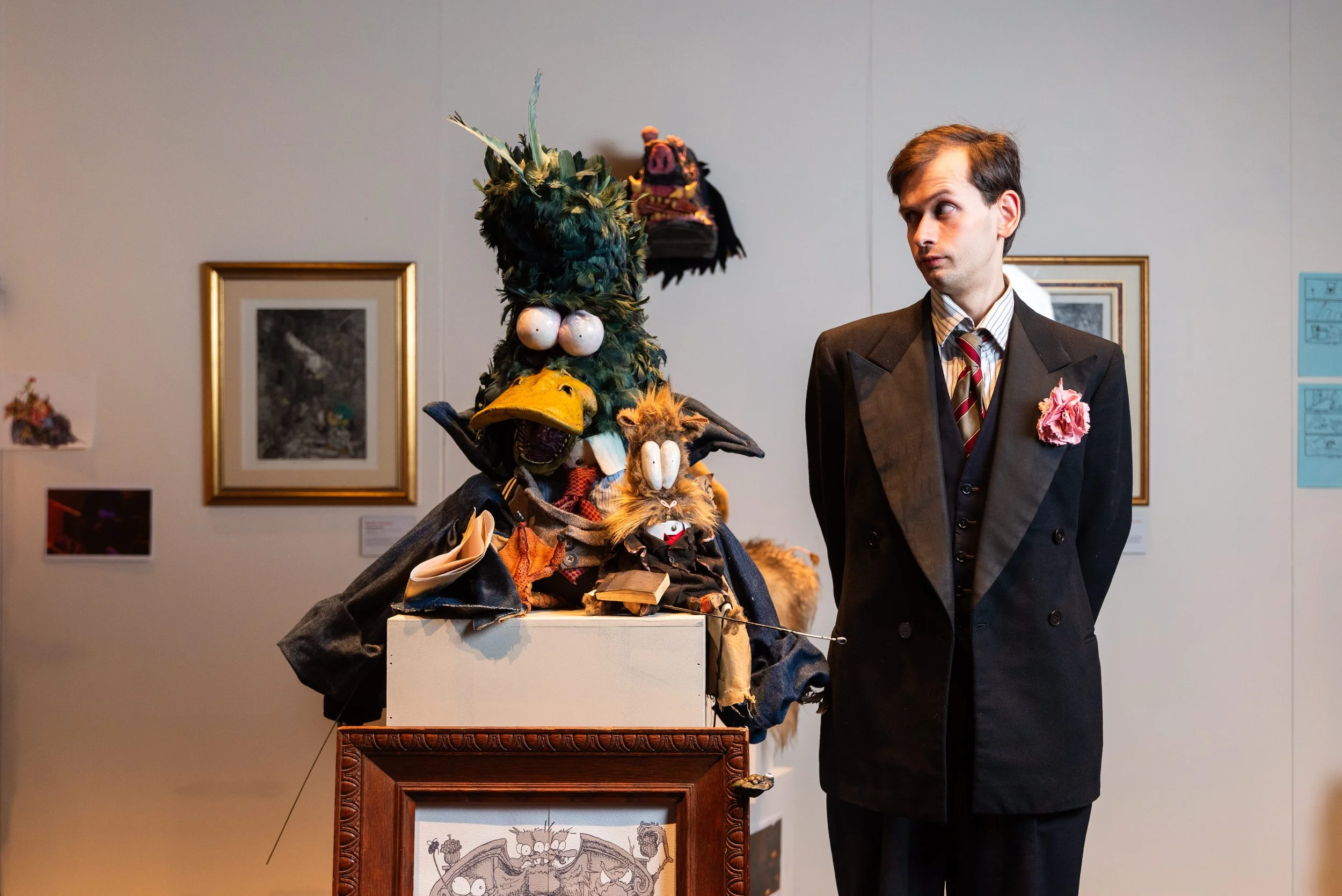
Image Credit: Lucy Parakhina
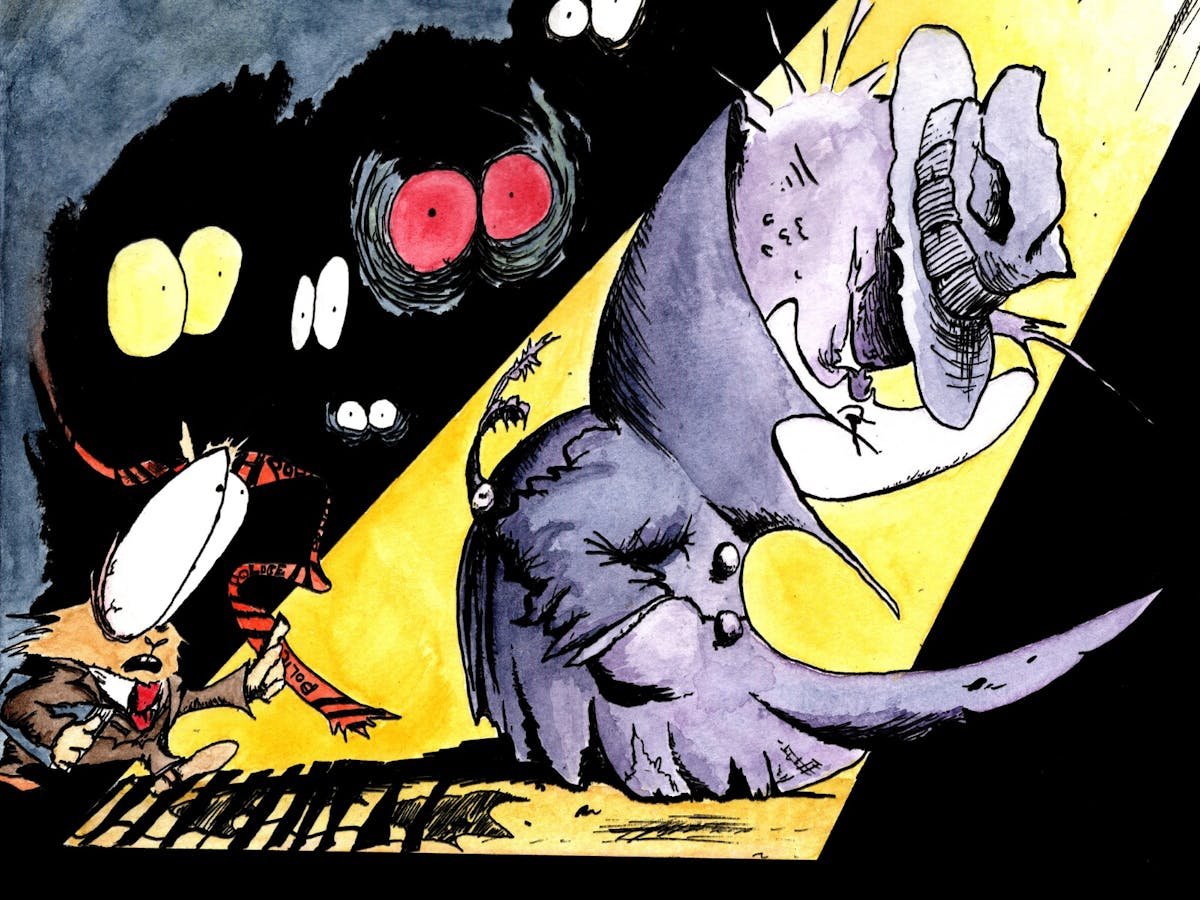
Marlow Lackner: writer, director, editor, sound designer and puppet maker has spent a dutiful twelve full years creating this film, and you can tell. The world is rich, warm and busy. The puppets move fairly seamlessly, the expressions of the characters are distinct, the puppets are strange and beautiful in that wonderful uncanny valley way. Lackner’s adoration for his creation bleeds through every second. The story catapults you into humour and action, and for such a strange world, the entire audience seemed only to lean further and further in with each passing moment. The humour is delightful, appropriately Muppet-like at points, which is to be only expected. At points, the script did get slightly lost in its own sauce, feeling like an in-joke rather than an invitation, but with an artist who’s spent so long creating their own world, this is to be expected; The Tolkien Problem in full effect. Although Quigely was the star of the show, some of the most impressive puppetering work on both a design level and puppeteer level were the Gods/Demons, massive, hulking, truly abstract creations that leaned with relish into the strangeness of puppets - in a way that was both uncomfortable to look at, and fascinating to wonder how they actually worked.
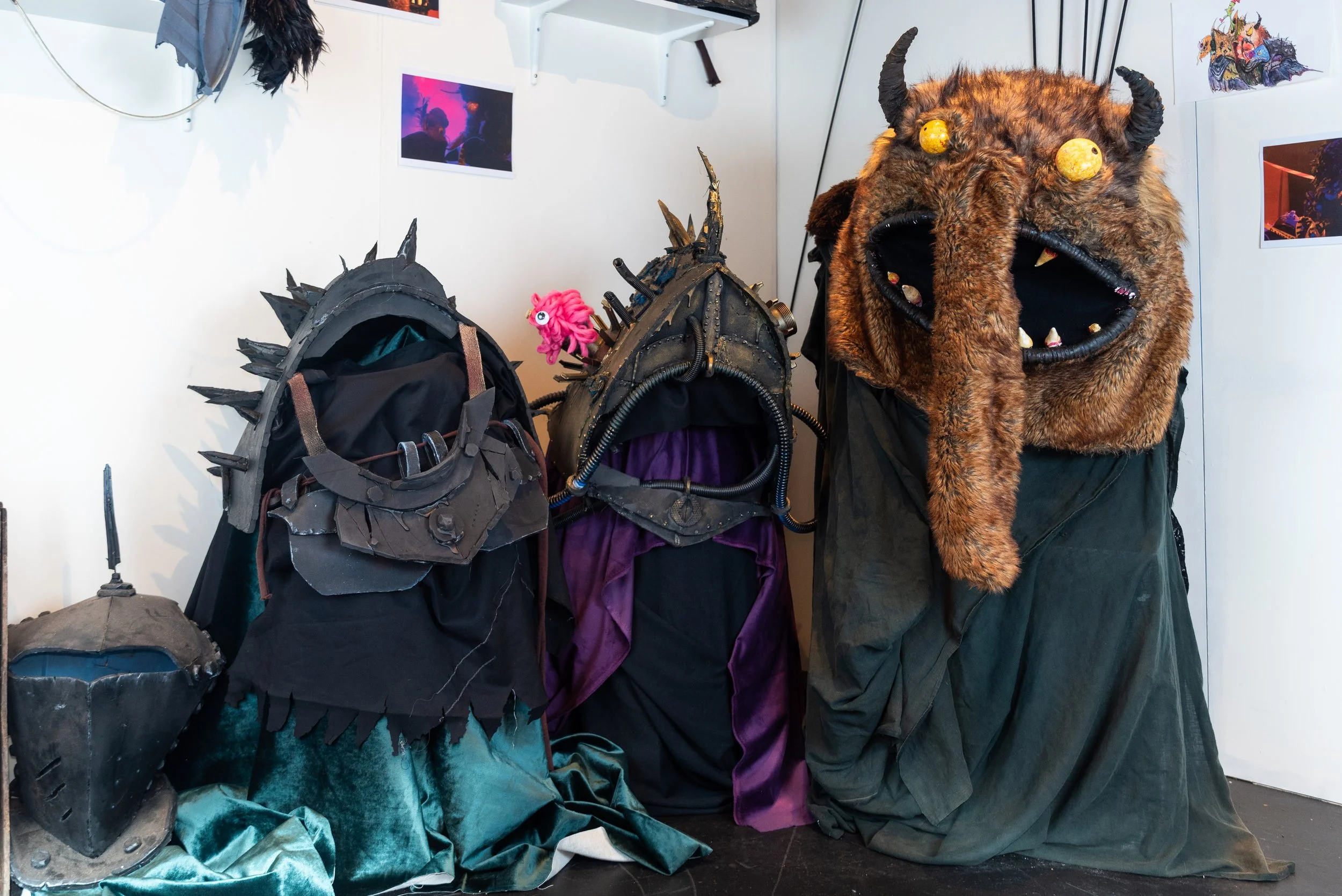
Image Credit: Lucy Parakhina
The cinematography was somewhat simple, nothing wildly flashy, which in some ways supported the weirdness of the world it was capturing. For a short film, this was a completely reasonable choice, even if one or two moments dragged slightly. The sound design was similarly good, but non-flashy. As this world develops, I would love to see the introduction of more complex sound work, even if the cinematography stays simple. The voice-overs were fairly indulgent in character across the board, which actually worked the best when the actors leaned into the ridiculousness of the voice rather than shied away from it. The Demons, once again, were my favourites in this regard, going full cartoon vocally. Although there were one or two moments of being a little close to the microphone, this is forgivable especially in a low-budget context. Through the transitions, we saw flashes of hand-drawn animation (another love letter to the practical) which matched beautifully with the world being created, and created some great little moments of comedy throughout.
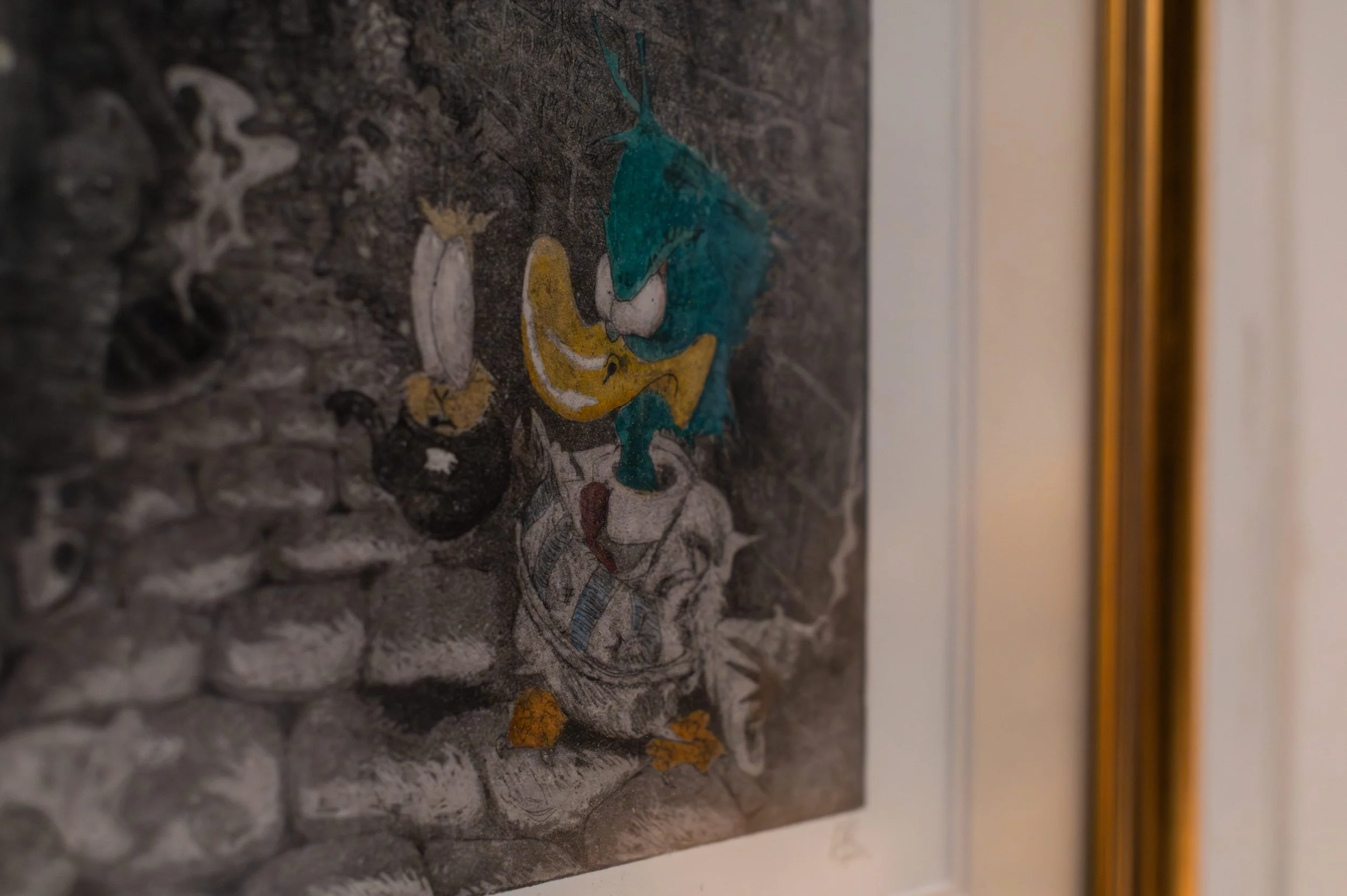
Image Credit: Lucy Parakhina
It would be entirely remiss to say that Q is for… Quack is some terribly deep, terribly dramatic thing. It’s not. What it is, is a distilled droplet of one individual’s adoration for an art form, crafted and curated over long years into an explosion of craft zeroed into one project. In many ways, in an increasingly corporate art-world, I would rather that a hundred times over, than something smoother, more polished, and more “emotive”. Q is for… Quack is a strange, uncomfortable, funny, beautiful little film, a microcosm of young talent with vivacious interest in what they're doing. In the director’s note, Lackner writes: “the magic of cinema is that there is no magic. It’s the work behind the scenes that really excites me. How it was done.” And that, I think, is a much better summary of this film than I could possibly give. I eagerly await the next installment of this strange little world, even if it takes another twelve years.